Do Low-Flow Fixtures Reduce Water Pressure?
Low-flow showerheads, taps and toilets are now common in Australian homes and workplaces. Many people expect a weaker shower after an upgrade, and some do notice a change. The answer depends on the difference between flow and pressure.
What is a low-flow fixture?
A low-flow fixture is a tap, showerhead or toilet designed to use less water than older models. It limits the volume of water that passes through the outlet each minute or each flush. Older showerheads often delivered 15 litres per minute or more. Many current models deliver 9 litres per minute or less, which is the maximum allowed for showerheads under Australia’s water efficiency standards.
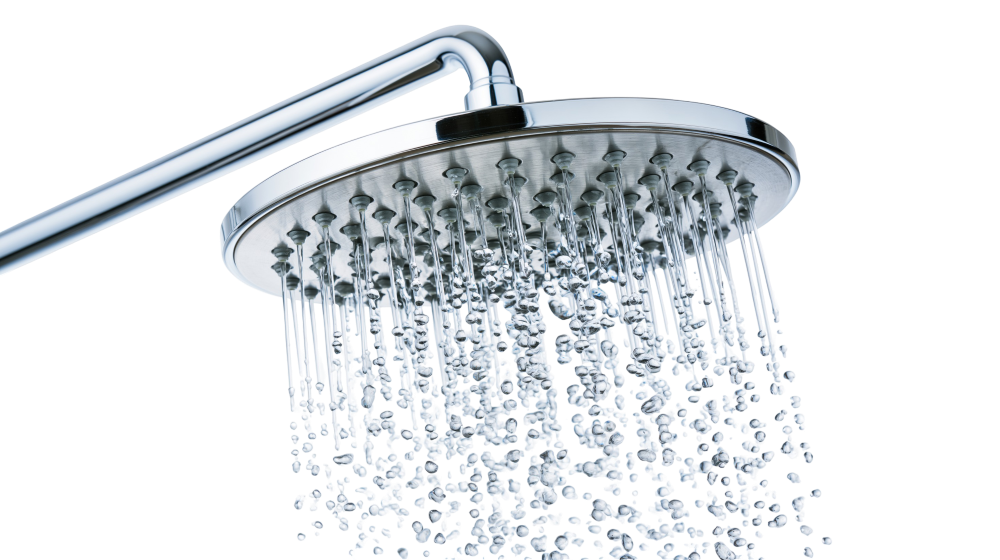
Low-flow fixtures are common in several settings. Homes use them in showers, kitchen and bathroom taps, and dual-flush toilets. Rental properties and social housing often install them to reduce water bills and meet efficiency requirements. Schools, hotels, aged care facilities and offices use them in large numbers, since many outlets run at once in these buildings. Commercial kitchens and public amenities also rely on low-flow taps to manage water use across a busy day.
The main goal is to reduce water use without changing how the fixture works. Most people use the same routine with a low-flow model, and the difference shows up on the water meter.
Flow and pressure measure different things
Pressure is the force that pushes water through the pipes. It is measured in kilopascals (kPa). Flow is the volume of water that leaves an outlet each minute, measured in litres per minute. A low-flow fixture reduces the flow. It limits how much water passes through the outlet, while the pressure in the supply pipe stays the same.
How low-flow fixtures keep a strong feel
Most modern low-flow fixtures use an aerator or a flow restrictor. An aerator mixes air into the water stream. The air breaks the stream into finer droplets that feel firmer on the skin, even though the total volume is lower. A well-designed fixture can deliver a satisfying spray at a much lower flow rate.
Cheaper fixtures sometimes restrict the stream without adding air. These models tend to feel weaker, because the restriction reduces the stream without the air effect that helps the spray feel strong.
Australian water fixtures carry WELS (Water Efficiency Labelling and Standards) star ratings. A higher star rating indicates better water efficiency. Checking the label before buying helps match a fixture to your needs.
When the drop in pressure is real
Sometimes the weaker feel comes from something other than the fixture itself. Several common causes can produce the same result.
Mineral scale or sediment often builds up inside aerators and showerheads, especially in areas with hard water. Adelaide’s water is known for its mineral content, so this is worth checking first. A partly blocked aerator can make a new fixture feel weaker than it should.
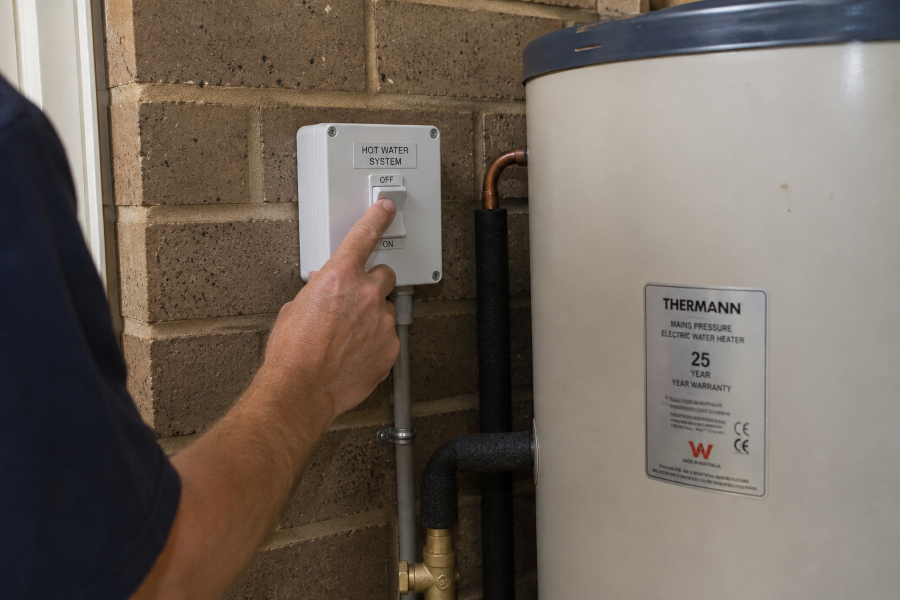
A faulty or poorly set pressure limiting valve can also reduce supply pressure throughout a home. Older pipes with internal corrosion can restrict flow over time. An ageing hot water system can reduce the pressure delivered to hot outlets. A new fixture may simply reveal a problem that was already present.
A simple test helps narrow things down. Remove the aerator, rinse it under running water, and check for debris. Then run the tap again. If the flow improves, the aerator was blocked. To measure the flow rate, time how long a 10-litre bucket takes to fill at full flow. Compare the result with the fixture’s rating. A significant gap suggests a restriction somewhere in the system.
Check the supply pressure
Mains pressure varies between properties, depending on the local network and the regulating equipment on the property. A licensed plumber can attach a pressure gauge to an outdoor tap and read the static pressure. This shows whether the supply is adequate, and it helps separate a fixture problem from a supply problem.
Choosing a fixture that suits your system
The best fixture depends on the shower, the water heater and the household’s habits. For most homes, a showerhead rated in the mid-range of WELS stars gives a good balance between water use and comfort. Storage and continuous-flow hot water systems behave differently under low demand, so it is worth checking how a fixture will perform with the existing system.
Commercial settings
Cafes, clinics, offices and other workplaces often have many outlets running at the same time. In these settings, pressure changes can be more noticeable, and the cumulative effect of fixture choices adds up. A commercial plumber can assess the layout, the number of outlets, and how pressure is distributed across the building. If your business wants to lower water use while its outlets keep performing well, book our commercial plumbing services in Adelaide and we will provide a practical plan.
When to call a plumber
Clean the aerator first and measure the flow. If the weak flow continues, call us on (08) 8261 0165. Book a visit if only one outlet is affected while others perform normally, since this usually points to a local blockage or a fitting problem. Also book a visit if pressure drops suddenly, or if the water heater produces weak hot water. Our Adelaide plumbers will test the system and recommend a fix.
Other plumbing articles