Rental Property Plumbing Checklist for South Australian Landlords
What to Check Before a new tenant moves in
A plumbing problem in a rental can go unnoticed for weeks. A small drip under a vanity may stain the floor, and a slow drain may hide a bigger blockage. This checklist covers the points worth checking at move-in, during a tenancy, and between tenants, so problems get caught while they are still cheap to fix.
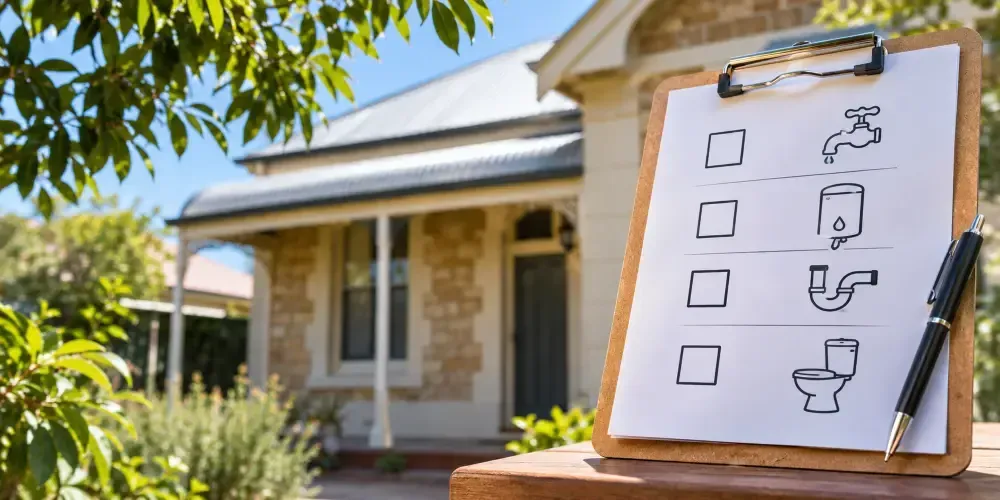
Start with a full walkthrough of every fixture: sinks, basins, tubs, showers, toilets and the hot water system. Run each tap for a minute or two and check the water pressure and temperature. Look under every sink and basin for drips, staining or soft cabinet floors. Flush each toilet and confirm the cistern refills and stops cleanly.
Record what you find before the tenant arrives. A short note with dated photos protects both sides later.
☑ Visible fixtures and fittings
Check faucet washers, cartridges and aerators. A worn cartridge often shows up first as a tap that drips when closed or a handle that feels loose. Look for cracked or peeling caulk around baths, sinks and tiles, since water gets behind it quickly. Test drain stoppers, and make sure water drains at a normal speed.
Shower heads wear out, and mineral build-up reduces flow over time. Clean or replace them as needed.
☑ Drains and waste lines
Note how each drain behaves under normal use. Slow draining usually comes before a full blockage, so it is the best time to act. Keep a record of which drains have clogged before and what caused each one. Hair, grease and wet wipes account for most blockages in rentals.
A plunger and a short note on what should not go down the drain help tenants avoid many of these problems. Keep the note simple: hair, grease, wipes, and anything that is not toilet paper stay out of the toilet and the drains.
☑ Water heater
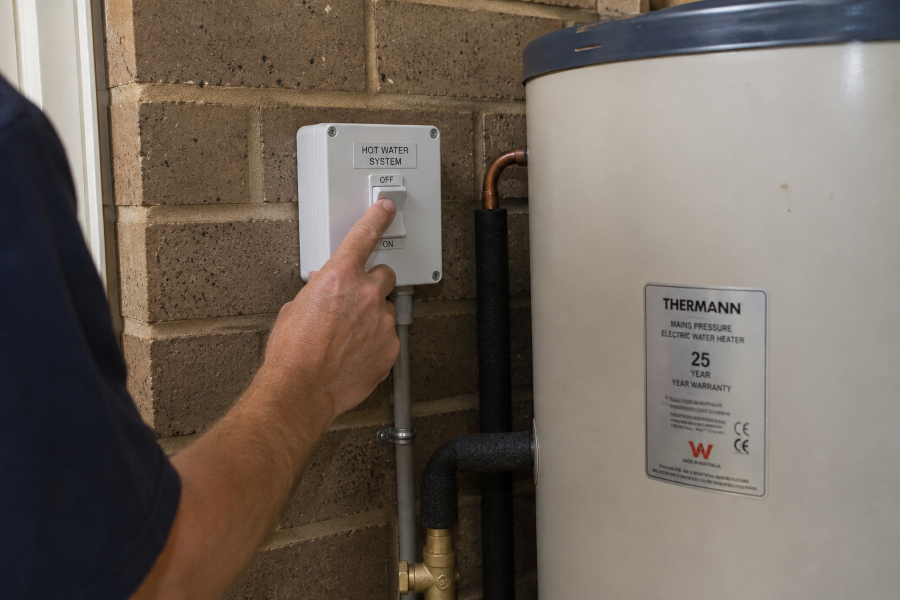
Check the age of the unit, the condition of the temperature and pressure relief valve, and the anode rod if it is accessible. Look for corrosion, rust around the fittings and water pooling at the base. Small leaks at the base often mean the tank is failing, and replacement is usually the sensible next step.
Set the temperature to a level that limits scald risk while still controlling bacteria. Many tradespeople aim for a setting between 50 and 60 degrees Celsius. Write the setting down, so the next tenant or contractor knows what it should be.
☑ Supply lines and shutoff valves
Inspect flexible supply hoses for bulging, cracking or stiffness. These hoses fail without much warning, so replace any that look worn. Stainless braided hoses usually last longer than rubber ones.
Confirm that every fixture has a working isolation valve. Show the tenant where the main water shutoff is located and how to operate it. A tenant who knows where to turn the water off can prevent a small leak from becoming flood damage.
☑ Leaks and moisture
Check under sinks, behind toilets and around the base of the hot water system. Look at the ceilings below bathrooms and kitchens for water stains, and pay attention to musty smells. Those often point to moisture that has not yet reached the surface.
Early detection keeps repair costs low. A cabinet floor replaced today costs far less than subfloor damage found after six months.
☑ Pipes and accessible plumbing
Inspect visible pipes for corrosion, pinhole leaks and loose hangers. Tighten or replace brackets where pipes sag or move. In older properties, note the pipe material. Galvanised steel and polybutylene often need attention sooner than copper or PEX, so put them higher on the priority list when planning maintenance.
Tenant responsibilities and reporting
Give tenants a clear and simple way to report leaks, slow drains and running toilets. A phone number and an email address work well, and a written response confirms that the report was received. Explain which minor tasks fall to the tenant, such as clearing a hair blockage with a plunger, and which tasks belong to the landlord.
Keep a written record of every report, the date it came in, and the date it was resolved. That record shows how the property has been managed over time.
Seasonal and periodic maintenance
Set up regular checks so they do not depend on memory. Review the hot water system once a year. Inspect external taps and hose connections before cold weather, and disconnect hoses that could freeze or split. If the property has a sump, a pump or a backflow prevention device, add those to the schedule as well.
Documentation
Photograph the condition of the plumbing at move-in and again at move-out. A property manager, the landlord or a plumber attending for a service can take these photos. When a plumber visits, ask them to photograph the fixtures and the hot water system and to note any findings in writing, so the record is dated and comes from a licensed tradesperson.
When to call a plumber
In South Australia, most plumbing work must be carried out by a licensed plumber, so any repair to pipes, the hot water system or drainage should go to one. Gas work also requires a licensed tradesperson.
Our plumbers in Adelaide can assess the problem and quote the work. Ask for a quote before the work begins. Costs depend on the parts, the access and the time involved, so a written quote lets you compare options.
Landlord obligations under South Australian tenancy rules
Landlords in South Australia have a duty to keep rental premises in a reasonable state of repair under the Residential Tenancies Act 1995. Plumbing faults that affect water supply, drainage or hot water usually fall within that duty. Where a property manager looks after the property, the agency handles inspections and arranges repairs on the landlord’s behalf, but the landlord remains responsible for the result. Check the current requirements and your management agreement before relying on this summary, since rules and guidance can change. Records kept by the agency should be available to the landlord at any time.
----
If you would like a licensed plumber to look over the property before the next tenant moves in, get in touch with
Best Plumbing in Adelaide for a quote. Booking a check now is usually cheaper than dealing with a leak after the tenant has moved in.
Other plumbing articles