
Testing, installation and certification for testable and non-testable backflow devices, done right the first time
Licensed plumbers testing, installing and certifying backflow prevention systems for homes and businesses across Adelaide. Fixed pricing and fast compliance reporting to the Office of the Technical Regulator.
Licensed and CM3 certified, with fixed pricing, decades of experience across Adelaide, and every job backed by a lifetime workmanship guarantee.
We work with property managers, cafés and restaurants, medical and dental practices, childcare centres, factories, strata schemes and homeowners with rainwater tanks or irrigation connected to the mains. Every job includes calibrated testing equipment,
a
licensed backflow-accredited plumber, and a compliance report submitted on your behalf.
What Is Backflow & Why It's Regulated
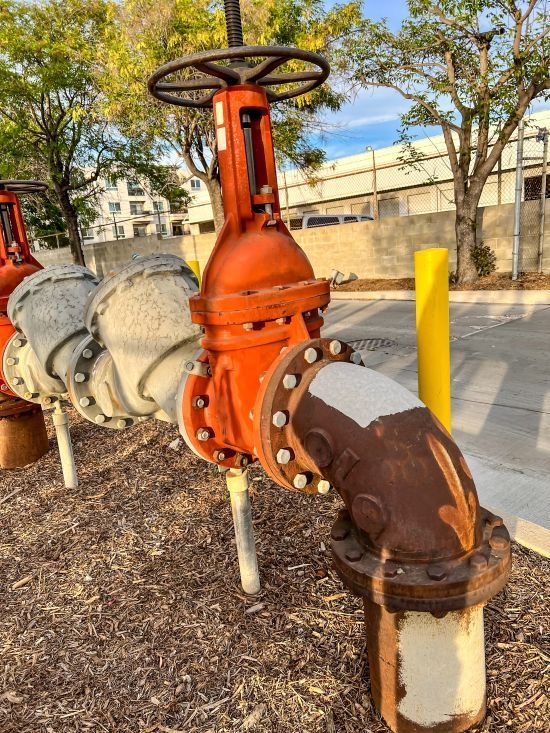
Water is meant to travel one way: from the mains, through your pipes, out the tap. Backflow happens when that direction reverses and water flows back into the supply line instead of out of it. This happens in one of two ways: backsiphonage, when pressure in the mains drops suddenly and creates a vacuum that pulls water backward through your pipework, or backpressure, when pressure on your property pushes water back toward the main with more force than the supply itself. Either way, whatever is sitting in your pipes at that moment has a path back into the drinking water system.
That's the risk a backflow prevention device is designed to remove. It sits at the point where your property connects to the mains and allows water to flow in one direction only, out to you, never back. SA Water and the Office of the Technical Regulator require these devices on properties where a cross-connection could introduce contamination, and testable devices must be checked annually by a licensed, backflow-accredited plumber. The result of each test is recorded using the Commission, Inspection and Maintenance Report and submitted to the Office of the Technical Regulator, so there's a clear record that your property's device is working as it should.
For a property owner, this comes down to one thing: knowing your device is tested, certified, and on record before it becomes a compliance issue.
Backflow Prevention Testing Service in Adelaide
We test and install backflow prevention systems for homes and businesses across Greater Adelaide and the Barossa Valley, from single residential properties to multi-device commercial and strata sites. Whether you're in the city, the hills, or one of the outer suburbs, our licensed plumbers can get to you and carry out testing, certification, and reporting on the same visit.
Why backflow happens
Common Causes of Backflow We See
Backflow risk usually comes down to what's connected to a property's water supply, and how easily that connection could let something other than clean water travel backward through it. A few situations account for most of the cases we come across.
Irrigation systems
Fertilisers, pesticides and soil sit in the same lines that draw from the mains. A drop in pressure can pull that mix back through the system.
Medical & Dental Practices
Suction equipment and instrument-cleaning lines can create a path between contaminated fluids and the water supply if a device isn't working properly.
Rainwater Tanks
Where a tank is plumbed into the same system as mains water without the right isolation, tank water can end up flowing into the drinking supply. This shows up most on older properties where a tank was added after the original plumbing was installed.
Cafés & Restaurants
Pre-rinse dishwashing units and grease arrestors connect directly to potable water, often sitting close to food waste and chemical residue.
Hairdressers & Salons
Basins connected to dye, bleach and other chemical mixtures carry the same risk, particularly where plumbing hasn't been updated in years.
Manufacturing & Industrial Sites
Production processes often involve chemicals, oils or other substances moving through pipework near the water supply, making these some of the highest-risk connections we test.
* None of these situations are unusual or a sign of poor maintenance. They're simply what happens when plumbing does more than move clean water from one point to another.
Protect Your Water Supply
Types of Backflow Prevention Systems
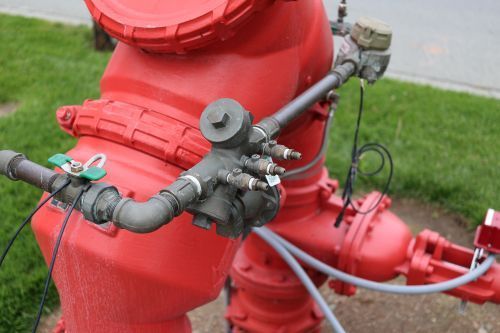
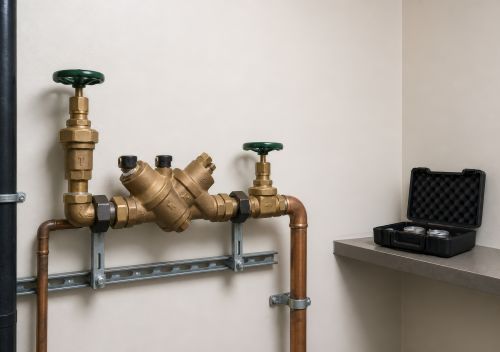
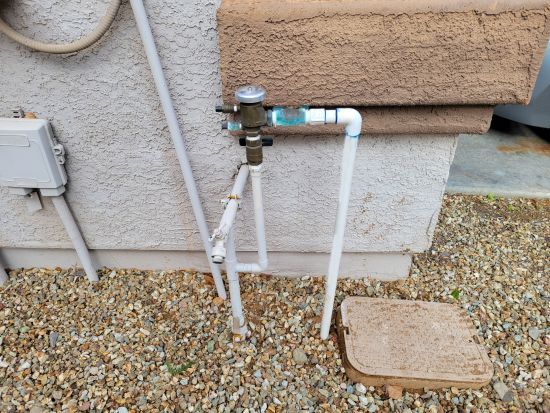
Medium and high hazard properties require a testable device, one that can be checked on-site by a licensed plumber using calibrated equipment. Low hazard properties are generally fitted with a non-testable device, which still prevents backflow but doesn't require the same annual testing regime.
An RPZ valve's relief mechanism opens automatically if either of its two check valves fails, giving a visible sign that something needs attention rather than failing silently. A double check valve relies on two check valves in sequence without that relief mechanism, which suits situations where the risk is real but less severe. A dual check valve works on the same principle at a smaller scale, which is why it's suited to low hazard residential properties without needing the same testing regime.
| Device Type | Hazard Level | Common Use | Testing Frequency |
|---|---|---|---|
| RPZ Valve | High | Medical, dental, manufacturing, chemical handling | Annual |
| Double Check Valve (DCV) | Medium | Cafés, salons, small commercial sites | Annual |
| Dual Check Valve | Low | Residential properties | Periodic, as part of general maintenance |
Backflow Prevention Testing Adelaide: Our Process
Most properties experience a brief interruption to water supply, usually under five minutes, while a device is isolated for testing. We'll let you know beforehand so you can plan around it, whether that means finishing a load of dishes first or letting staff know ahead of time.
Booking
You get in touch and let us know the property type, the number of devices if you know it, and any access details we'll need on the day. We'll confirm a time that works around your household or trading hours.
On-Site Testing
A licensed, backflow-accredited plumber tests each device using calibrated equipment, checked and certified annually in line with AS 2845.3. For most residential devices, this takes around 20 to 30 minutes. Commercial properties with multiple devices take longer, and we test in stages where possible to reduce disruption to water supply.
Pass or Fail Outcome
If the device passes, we issue certification on the spot. If it fails, we'll explain exactly what's wrong and provide a quote for the repair before doing any further work, so there are no surprises.
Certification & Reporting
Once a device passes, we complete the Commission, Inspection and Maintenance Report and submit it to the Office of the Technical Regulator on your behalf, along with photos and test results for your own records.
Reminder for Next Year
Since testing is required annually, we keep a record of your test date and reach out ahead of next year's deadline, so compliance stays on track without you needing to track it yourself.
Why Us
Why Choose Best Plumbing for Backflow Prevention
We've been working on Adelaide properties for over three decades, as a family-owned business that still deals with clients directly rather than through layers of call centres or subcontractors. That kind of continuity matters for a service like backflow testing, where the same plumber often ends up handling a property year after year and gets to know its specific setup.
Every plumber we send out is licensed and backflow-accredited, and our testing equipment is calibrated annually to meet AS 2845.3. We're also CM3 certified, which matters if you're managing a commercial site or strata property with contractor compliance requirements to satisfy.
Pricing is fixed and confirmed before we start, so you know the cost of your test or installation upfront. If a repair is needed, we quote that separately before proceeding, and every job we complete is backed by a lifetime workmanship guarantee.
We work across both residential and commercial properties, from a single home with a rainwater tank to a strata scheme managing multiple devices across a site. Whatever the scale, the same standard of testing, certification and reporting applies.
Call Us Today!
Who Needs Backflow Prevention?
Any property connected to the mains water supply can require a backflow prevention device, and in South Australia, that requirement is triggered by what happens on your property rather than its size or type. If there's a plausible path for something other than clean water to end up in your pipework, a device is likely required.
Businesses
Cafés, restaurants, medical and dental practices, childcare centres, hairdressers and salons typically need a device. Factories and manufacturing sites also carry higher hazard ratings given the processes running through their plumbing.
Strata & Body Corporate
Sites managing multiple units, or a mix of residential and commercial tenancies, often have several devices across one property, each requiring its own annual test and its own compliance record.
Compliance & Consequences of Non-Compliance
Backflow testing in South Australia is mandatory once a property has a testable device installed. It's a requirement under the Water Industry Act 2012, and the responsibility for keeping that testing current sits with the property owner. When a device is overdue for testing, SA Water can issue a compliance notice, generally giving the owner a set period to arrange a test before further action is taken. If that window passes without action, water supply to the property can be disconnected until the device is tested and certified. There are flow-on effects worth knowing about too. Insurance claims connected to water damage or contamination can be affected if a required device wasn't tested and certified at the time. Property sales and lease agreements can also be delayed while compliance paperwork is sorted out, since many contracts now ask for proof of current backflow certification as a condition of settlement.
Staying compliant comes down to one thing: getting the annual test done on time and keeping a record of it. That's the part we handle directly, submitting your Commission, Inspection and Maintenance Report to the Office of the Technical Regulator as soon as your device passes, so you've got documentation on file before it's ever asked for.
What is backflow prevention and why is it required in Adelaide?
Backflow prevention stops water from reversing direction and flowing back into the mains supply, which protects the drinking water system from contamination. In Adelaide, SA Water and the Office of the Technical Regulator require a device on any property where a cross-connection could introduce a contaminant into that supply.
How often does a backflow prevention device need to be tested?
Testable devices, generally those on medium and high hazard properties, need to be tested annually by a licensed, backflow-accredited plumber. Low hazard residential devices are checked periodically as part of general plumbing maintenance rather than under a formal annual schedule.
What's the difference between an RPZ valve and a double check valve?
An RPZ valve is used on high hazard properties and includes a relief valve that opens if either of its two check valves fails, giving a visible sign that something needs attention. A double check valve is used on medium hazard properties and relies on two check valves in sequence without that relief mechanism.
Who is legally allowed to test a backflow prevention device in South Australia?
Testing must be carried out by a licensed plumber who holds backflow accreditation, along with calibrated test equipment certified annually to AS 2845.3. A standard plumbing licence on its own doesn't cover this work.
What happens if I don't get my backflow device tested?
SA Water can issue a compliance notice with a set period to arrange testing. If that period passes without action, water supply to the property can be disconnected, and insurance claims or property settlements involving the site can also be affected.
How much does backflow prevention testing cost in Adelaide?
Costs vary depending on the property type, the number of devices, and whether any repairs are needed. We provide a fixed quote before starting any work, so there are no surprises once the test is underway.
Do I need a backflow prevention system installed on my property?
If there's a plausible path for something other than clean water to enter your pipework, chemicals, irrigation, a rainwater tank, or specialised equipment, a device is likely required. A site visit is the most reliable way to confirm this.
How long does a backflow test take?
Most residential tests take around 20 to 30 minutes, with a brief water interruption usually under five minutes. Commercial properties with multiple devices take longer, and we test in stages where possible to reduce disruption.
Clients We Work With