Emergency Plumber or Can It Wait?
It’s 9pm on a Tuesday and you hear a sharp crack from under the kitchen sink, followed by the sound of water hitting the floor. Or maybe it’s Sunday afternoon, the toilet is filling past the rim, and the family is due for lunch in an hour. Either way, your first thought is probably the same: do I need to call a plumber now, or can this wait until morning?
The question is harder than it looks. After-hours call-out fees are noticeably higher than standard business-hours rates, and nobody enjoys paying a premium at the end of a long day. Yet water is one of the most destructive things that can get into a home. A few hours of leaking can soak through flooring, lift laminate, weaken plasterboard and leave a damp smell that lingers for months. So the cheap option and the sensible option don’t always match.
This article gives you a quick way to make that call. Within a minute or so, you should be able to work out whether the problem needs an emergency plumber tonight or whether it can safely wait for a regular appointment. We’ll cover the questions to ask yourself, the situations that clearly need urgent help, and the small steps you can take in the meantime to limit damage.
The Emergency Test: Three Questions to Ask First
Before you pick up the phone, run through three questions. If the honest answer to any one of them is yes, treat the problem as an emergency.
- Is water escaping uncontrollably or causing active damage?
Look at the floor, the wall and the ceiling below. If water is spreading, pooling, dripping through a ceiling or soaking into carpet, the clock is running. Slow drips that stay in a tray or bucket are a different matter, but a leak that you can’t contain with a towel and a bucket usually needs attention right now.
- Is there a risk to safety?
Water and electricity don’t mix, so check for water near power points, light fittings or the switchboard. A gas smell is a separate concern altogether: leave the property, don’t operate switches, and call a licensed gas fitter. Sewage backing up into the house also counts, because it carries bacteria and needs to be cleared properly, not mopped up.
- Is the problem affecting essential services? A toilet that won’t flush, a hot water system that has failed in winter, or a property with no water supply at all are all situations that disrupt daily life. If you have young children, an elderly person or someone unwell in the home, the case for urgent help gets stronger.
If none of these apply, the problem is probably inconvenient rather than urgent. That’s when it’s worth taking a few minutes to check the situation properly before deciding anything else.
Situations That Need an Emergency Call-Out
Some problems leave little room for debate. A pipe that has burst under pressure will keep losing water until the supply is shut off, and every minute adds to the damage. If you can see water spreading across the floor or coming through a ceiling, call for help straight away.
Sewage is another clear case. When a toilet overflows or wastewater backs up through a shower or floor waste, the mess is unpleasant and the health risk is real. Stop using taps, showers and toilets in the house, and get a plumber out to clear the blockage and assess the line.
Water near electrical equipment also belongs in this category. If a leak reaches a power point, a light fitting or the switchboard, switch off the power at the main if you can do so safely, and then call. Don’t wait to see whether the problem settles down.
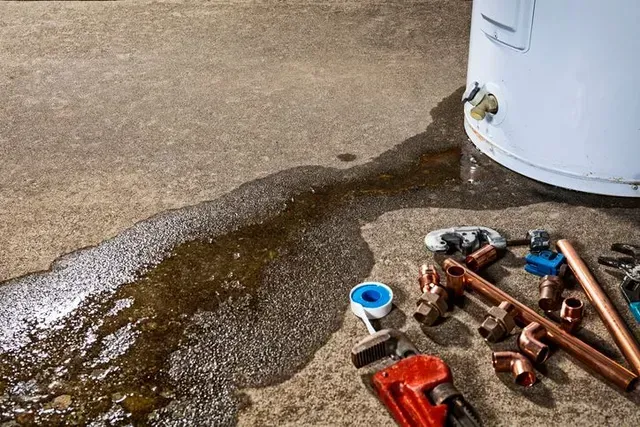
A failed hot water system that is leaking is urgent, particularly if the unit sits in a roof space, a laundry or a cupboard above living areas. Tanks can release a large volume of water in a short time. A complete loss of hot water in winter is less dangerous but still worth attending to promptly, as it affects washing, bathing and general comfort.
If the house has no water at all, check whether neighbours are affected. A supply problem may sit with the water authority rather than with a plumber, so a quick call to them can save you a call-out fee. A significant leak from the water meter or the main line usually falls under the same arrangement, and the authority should be your first call.
Gas
is the exception to everything above. If you smell gas, leave the property first and call a licensed gas fitter from outside.
Situations That Can Usually Wait
Plenty of plumbing problems are irritating without being dangerous. A tap that drips every few seconds wastes water and keeps you awake, but the house isn’t at risk while it does. Put a washer or cartridge on the to-do list and book a standard appointment.
A slow sink or shower drain is another common case. If the water still drains, even slowly, the blockage hasn’t fully formed. Clearing hair and soap residue from the strainer often helps, and a regular plumber can deal with anything stubborn during business hours.
A toilet that keeps running after flushing is annoying, particularly at night, but it isn’t an emergency unless water is overflowing into the bowl or the floor. Lifting the lid and checking the float or fill valve will usually reveal the cause. If the cistern refills and stays put, you can safely leave the repair until morning.
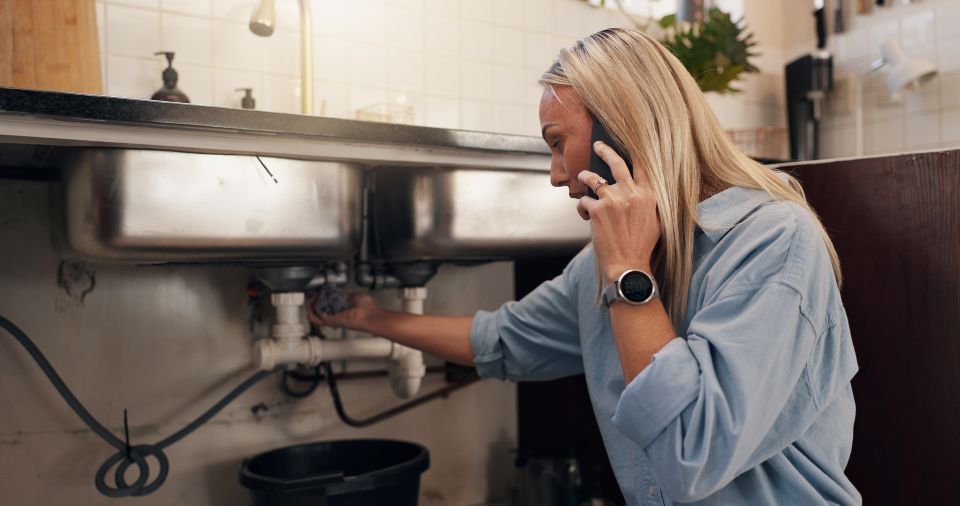
Small leaks under a sink can often be managed with a towel and a bucket, provided the water stays contained and doesn’t reach the floor or cabinet walls. Check the area again in the morning and book a plumber if the leak continues or gets worse.
Lose tap handles, worn cistern parts and showerheads that have lost their pressure all fall into the same group. They’re worth fixing, but none of them will flood a home overnight. Keeping a note of these jobs means you can group them into one visit, which usually keeps costs down.
Stop-Gap Measures Before the Plumber Arrives
If you’ve decided to call someone tonight, a few quick steps can limit the damage while you wait. Start by finding your isolation valve. Most Australian homes have one under the kitchen sink, in the laundry, or near the hot water system, and some have a main shut-off at the front of the property. Turning it clockwise stops the flow to that part of the house. If you can’t find it, locate the mains tap at the water meter, which is usually at the front boundary.
Next, deal with the hot water system. If the unit is leaking or you suspect a fault, switch off the power or gas supply before you do anything else. An electric unit left on while empty can burn out its elements, and a gas unit should be shut off at its control. Don’t drain the tank until you’re confident it’s safe to do so.
If water is anywhere near power points or the switchboard, turn off electricity to the affected area at the main switch. Keep clear of standing water while you do this, and avoid touching wet appliances.
Then focus on containing the water. Towels, buckets and a mop will handle small volumes, and a wet and dry vacuum helps if you have one. Move rugs, furniture and anything valuable out of the path of the water. Lifting carpet edges can also speed up drying once the leak has stopped.
If you suspect a sewage backup, keep the toilets, showers and taps unused until a plumber has cleared the line. Adding more water can push waste further into the house.
Finally, take photos and video of the damage before you clean up. Your insurer will ask for them, and a clear record makes the claim process much easier.
If in Adelaide, give our Adelaide emergency plumbers on (08) 8261 0165.
Understanding the Costs
Nobody plans for an emergency call-out, so it helps to know roughly what you’re signing up for before the plumber walks through the door. After-hours plumbing call-out fees are generally higher than standard business-hours rates, and plumbers charge a flat fee for arriving outside normal working times on top of their hourly labour.
The plumbing fee is only part of the picture. Water damage often costs more than the plumbing repair itself. Flooring, plasterboard and subfloors can soak up water within hours, and some materials need replacing rather than drying out. A leak that runs overnight can turn a $300 repair into a much larger bill, so the extra cost of an after-hours visit often pays for itself when the damage is serious.
Before you agree to any work, ask the plumber to explain the call-out fee, the hourly rate after hours and the likely cost of parts. A reputable tradesperson will give you this clearly. If the answer is vague, that tells you something too.
It’s also worth checking your home and contents policy. Many policies cover sudden and accidental water damage, but they often differ on whether they cover the cost of locating and repairing the leak itself. Read the wording on emergency repairs and keep your receipts, as your insurer may ask for them.
Common Myths
A few beliefs about plumbing problems come up often enough to be worth clearing up, because they tend to push people in the wrong direction.
“If it’s leaking, it must be an emergency.” Leaks vary enormously. A drip that fills a cup over a day and a pipe spraying across the laundry call for very different responses. Use the three questions from earlier to sort them, and let the speed and volume of the water guide you.
“Waiting until morning always makes things worse.” Sometimes it does. A contained leak sitting in a tray may stay exactly as it is until the business opens. What matters is whether the water is spreading or sitting still. Checking the area before bed and again first thing in the morning will give you a clear answer.
“A chemical drain cleaner will clear any blockage.” These products can handle a minor slow drain, but they sit in the pipe and generate heat as they react. If the drain is fully blocked and the chemical hasn’t worked, the plumber may need to deal with the residue before clearing the line. A plunger or a hand-held drain auger is a safer first step, and a plumber can handle anything stubborn with the right tools.
Conclusion
Most plumbing decisions come down to a few simple checks. Start with safety, because gas, electricity and sewage come before anything else. If you’re in Adelaide and want a licensed team that can respond when it counts, our plumbers in Adelaide are ready to help. Call (08) 8261 0165 to book a service or ask about after-hours availability, and get a clear quote before any work begins.
Our other guides on hot water systems, blocked drains and leak detection cover the problems in more depth, so read on if you want to be better prepared for the next one.
Other plumbing articles