No Dig Pipe Relining: The Modern Alternative to Excavating Damaged Pipes
Damaged Pipes Relined From Inside
Underground pipe damage has traditionally meant one thing for property owners: excavation. Whether caused by tree root intrusion, ageing pipework, cracked sewer lines or corrosion, repairing damaged underground pipes often required digging through gardens, driveways, pathways and landscaping to access the problem area.
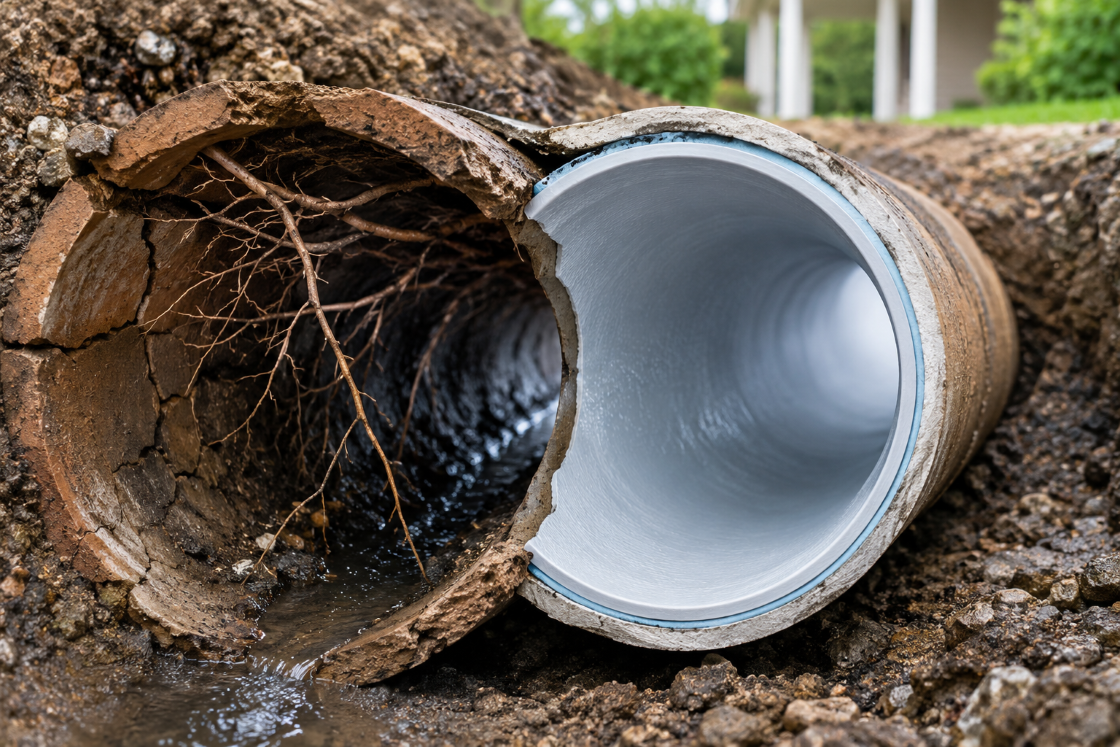
Today, there is a smarter alternative. No dig pipe relining allows plumbers to repair damaged sewer and drain pipes from the inside without the need for extensive excavation. Using advanced trenchless technology, a new durable lining is installed within the existing pipe, restoring structural integrity and improving flow while minimising damage.
As no dig sewer pipe reline solutions become increasingly popular across Australia, more homeowners and businesses are choosing pipe relining over traditional pipe replacement. No dig pipe relining isn't suitable for every pipe problem, but in many cases it can provide a long-lasting repair without the disruption associated with traditional excavation. Here's what you need to know about how the process works and when it may be the right solution.
What Is No Dig Pipe Relining?
No dig pipe relining is a method of repairing damaged sewer and drainage pipes by creating a new pipe within the existing one. Rather than removing and replacing the original pipe, a specially designed liner coated with resin is inserted into the damaged section. Once the liner is in position, it hardens to form a strong, seamless pipe that restores the integrity of the line.
The finished liner fits tightly against the inside of the existing pipe, sealing cracks, preventing water infiltration and helping to stop tree roots from entering through damaged joints. Because the new pipe is formed within the old one, most repairs can be completed with little to no damage to the surrounding area.
Pipe relining can be used on many common pipe materials found throughout Australian homes and commercial properties, including clay, cast iron, PVC and concrete pipes. It is commonly used to repair sewer lines, stormwater drains and other underground drainage systems that have deteriorated over time.
The technology has become increasingly popular because it provides a long-term repair solution while avoiding much of the inconvenience associated with traditional pipe replacement. For many property owners, it offers a practical way to restore damaged pipes without the need for extensive excavation works.
How Does No Dig Sewer Pipe Relining Work?
While the technology behind pipe relining is highly specialised, the process itself is relatively straightforward. The goal is to restore the pipe's condition from within while ensuring wastewater can flow freely through the system.
The first step is a detailed CCTV drain inspection. A small camera is fed through the pipe to identify the location and extent of the damage. This allows plumbers to determine whether pipe relining is a suitable repair option and identify any issues that need to be addressed before work begins.
Once the pipe has been assessed, it is thoroughly cleaned using specialised equipment. This may involve high-pressure water jetting to remove built-up debris, grease, sediment and tree roots that could interfere with the relining process.
After cleaning, a flexible liner saturated with a specially formulated resin is inserted into the damaged section of pipe. The liner is carefully positioned before being expanded against the pipe walls. As the resin cures, it hardens to create a smooth and durable internal surface.
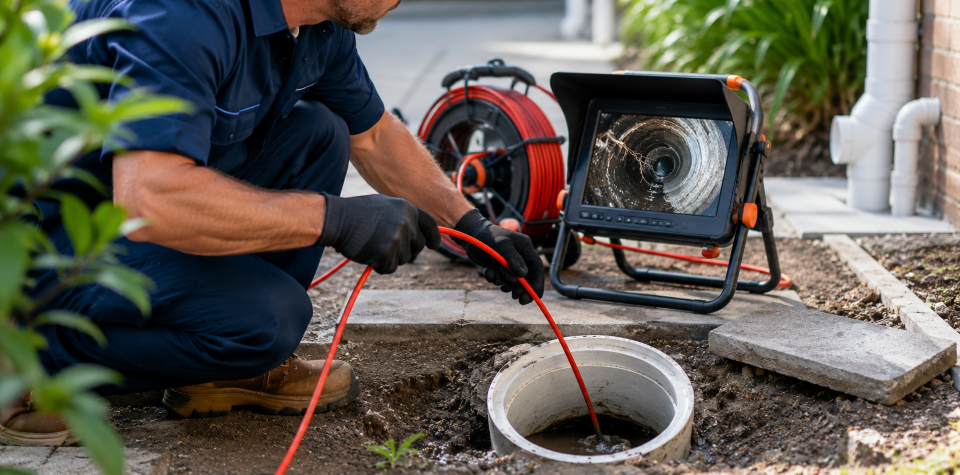
Once the curing process is complete, a final CCTV inspection is carried out to confirm the repair has been successful and that the pipe is functioning correctly. The result is a structurally sound pipe capable of handling normal use for many years to come.
Because the repair is completed within the existing pipe, relining can often be performed with minimal disruption to daily activities, making it a great solution for residential, commercial and strata properties.
Common Problems That Can Be Fixed With Pipe Relining
Underground pipes are exposed to a range of issues over their lifetime. Ground movement, ageing materials, tree root growth and everyday wear can all contribute to damage that affects the performance of a drainage system. In many situations, pipe relining can provide an effective repair solution without the need for full pipe replacement.
One of the most common issues is tree root intrusion. Roots naturally seek out moisture and can enter sewer pipes through small gaps, cracks or deteriorating joints. Once inside, they continue to grow, restricting flow and increasing the risk of recurring blockages.
Cracks and fractures are another frequent problem, particularly in older clay and concrete pipes. Even relatively small cracks can allow water to escape into the surrounding soil while permitting dirt and roots to enter the pipe.
Pipe relining can also be suitable for repairing leaking joints, sections affected by corrosion and pipes that have suffered minor structural deterioration over time. These problems may not always be visible from the surface but can lead to slow drainage, unpleasant odours and ongoing maintenance issues if left unaddressed.
In some cases, localised pipe damage caused by ground movement or accidental impact can also be repaired using relining technology, provided the pipe retains sufficient structural integrity. A professional CCTV inspection is the best way to determine whether a damaged pipe is a suitable candidate for relining.
Benefits of No Dig Pipe Relining
One of the biggest advantages of pipe relining is the durability of the finished result. The cured liner forms a continuous pipe within the existing line, eliminating many of the joints and weak points that commonly contribute to future failures. This can help reduce the likelihood of recurring problems and provide greater confidence in the condition of the drainage system.
Another benefit is the smooth internal surface created by the liner. Improved flow characteristics can help wastewater move more efficiently through the pipe and reduce the build-up of debris that may contribute to blockages over time.
Pipe relining can also be a practical option where access to the damaged pipe is difficult. Properties with established landscaping, paved areas, retaining walls, swimming pools or other structures often present challenges for traditional repair methods. Relining allows repairs to be completed in many of these situations without significant damage.
For commercial properties, strata complexes and busy households, minimising downtime can be equally important. Because the repair process is generally less invasive, disruption to residents, customers and day-to-day operations can often be kept to a minimum.
Perhaps most importantly, pipe relining offers a solution that focuses on extending the service life of existing infrastructure. Rather than replacing an entire section of pipe, it allows many damaged systems to continue performing effectively for years to come.
No Dig Pipe Relining vs Traditional Pipe Replacement
Traditional pipe replacement involves excavating the affected area, removing the damaged pipe and installing a new one. This method may be necessary when a pipe has completely collapsed or suffered severe structural failure. However, it can also involve additional work to restore driveways, gardens, paving and other surrounding features once the repair is complete.
Pipe relining repairs the pipe from within. Because the existing pipe remains in place, relining is often considered when the damage is localised or the pipe retains enough structural integrity to support the new liner.
| Feature | No Dig Pipe Relining | Traditional Pipe Replacement |
|---|---|---|
| Excavation Required | Minimal | Extensive |
| Impact on Landscaping | Low | High |
| Access Requirements | Often suitable for difficult-to-access areas | Requires physical access to the damaged section |
| Repair Method | Creates a new pipe within the existing pipe | Removes and replaces the damaged pipe |
| Repair Method | Usually limited | Often required after excavation |
| Suitable for Collapsed Pipes | Not always | Yes |
Neither option is universally better than the other. A professional assessment using CCTV drain inspection equipment can determine the condition of the pipe and help identify the most appropriate repair method. In many cases, relining provides an effective solution, while more severe damage may still require full pipe replacement.
When Is Pipe Relining Not Suitable?
While pipe relining can repair many types of sewer and drainage pipe damage, it is not the right solution in every situation. The success of the process depends on the condition of the existing pipe and whether it can adequately support the new liner.
For example, pipes that have completely collapsed may not be suitable candidates for relining. If a section of pipe has lost its shape entirely or has become severely crushed, there may not be enough space to install and correctly position the liner.
Significant pipe displacement can also create challenges. Where sections of pipe have shifted substantially due to ground movement or subsidence, restoring the line may require excavation and replacement rather than an internal repair.
In some cases, extensive structural deterioration may make replacement the more practical long-term option. This is particularly true where large sections of pipe have failed or multiple defects are present throughout the system.
Every drainage system is different, which is why a CCTV drain inspection is such an important part of the assessment process. By examining the internal condition of the pipe, a qualified plumber can determine whether relining is a suitable solution or whether another repair method is likely to deliver a better outcome.
The good news is that many pipes that appear to be beyond repair can often still be successfully relined. A professional inspection provides the information needed to make an informed decision and select the most effective repair strategy for the specific situation.
Professional No Dig Pipe Relining Services in Adelaide
If you're experiencing recurring blocked drains, tree root intrusion, sewer pipe damage or ongoing drainage issues, a professional assessment can help identify the underlying cause and determine the most appropriate repair solution.
At Best Plumbing Maintenance, our experienced plumbers Adelaide property owners trust use advanced CCTV drain inspection equipment to assess the condition of underground pipes and recommend repairs. Our experienced team works with residential, commercial and strata properties across Adelaide, delivering practical solutions for a wide range of drainage and sewer problems. From initial inspection through to completed repairs, we focus on providing clear advice, quality workmanship and long-term results.
If you suspect your sewer or drainage pipes may be damaged, request a free quote or call us on (08) 8261 0165 to arrange an inspection and discuss your repair options.
Other plumbing articles