Burst Flexi Hose? Here's Why It Happens and How to Prevent It
A burst flexi hose can go from a small plumbing fitting hidden under your sink to thousands of dollars in water damage in a matter of minutes. These braided hoses are found throughout most Adelaide homes, connecting taps, toilets, dishwashers, washing machines and hot water systems to the water supply. Because they're tucked away inside cupboards or behind appliances, they're easy to forget about until something goes wrong.
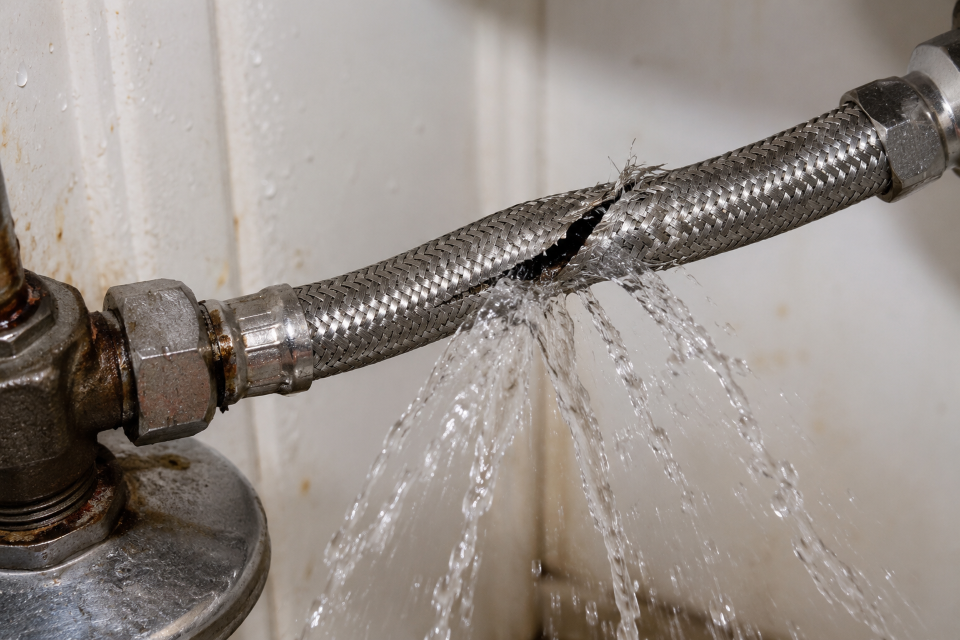
Despite their tough stainless steel outer braid, flexi hoses aren't designed to last forever. The internal rubber lining gradually deteriorates over time, while factors such as high water pressure, poor installation, corrosion and everyday wear can all increase the risk of failure.
What Is a Flexi Hose?
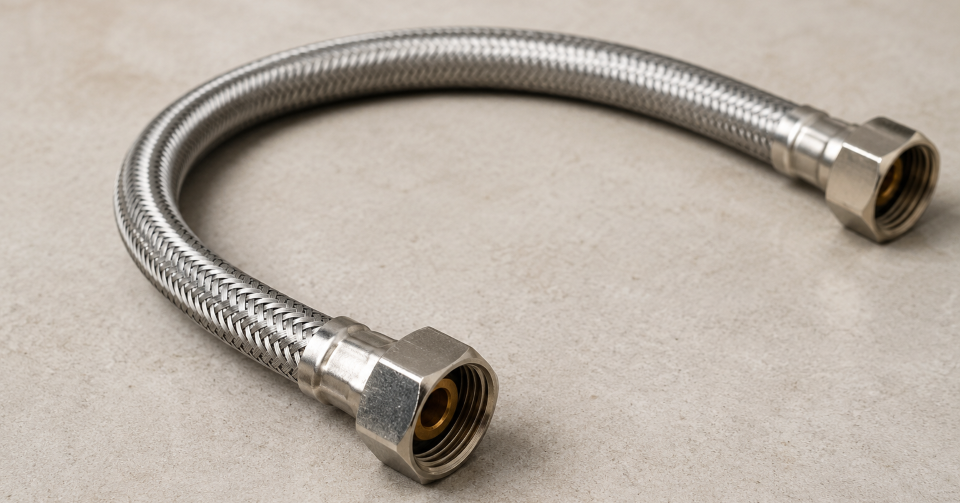
A flexi hose, also known as a braided flexible connector, is a short water supply hose used to connect plumbing fixtures and appliances to your home's water supply. They're commonly installed beneath kitchen sinks and bathroom vanities, behind toilets, and on dishwashers, washing machines and hot water systems.
Most modern flexi hoses consist of an inner rubber or polymer tube surrounded by a braided stainless steel outer layer. While the stainless steel braid provides strength and helps protect the hose from external damage, it's the inner lining that carries the water. As this inner lining ages, it can become brittle, crack or split, eventually leading to leaks or a burst flexi hose.
Why Do Flexi Hoses Burst?
In most cases, a burst flexi hose is a result of gradual deterioration rather than a sudden failure. While the stainless steel braid may still appear to be in good condition, the inner lining is constantly exposed to water pressure and naturally weakens over time. Once that lining can no longer withstand the pressure, the hose can split or rupture, allowing water to escape rapidly.
Several factors can shorten the lifespan of a flexi hose or increase the likelihood of it bursting. Age is one of the most common, but high water pressure, poor installation, corrosion and physical damage can all contribute to premature failure. In many cases, it's a combination of these factors rather than a single cause.
Age and Internal Wear
Time is the biggest enemy of any flexi hose. Although the braided stainless steel outer layer often remains intact, the rubber or polymer lining inside is under constant pressure every time your plumbing system is in use. Over the years, exposure to water, temperature fluctuations and disinfectants such as chlorine gradually reduces the flexibility of the lining, making it more brittle and susceptible to cracking. Once the internal lining begins to deteriorate, it becomes less capable of containing normal household water pressure. Eventually, the weakened section can split, causing anything from a slow leak to a complete burst.
Excessive Water Pressure
Water pressure has a direct impact on the lifespan of a flexi hose. The higher the pressure, the greater the load placed on the internal lining every minute of every day. Even if a hose appears to be in good condition, years of constant pressure can weaken the material and increase the likelihood of failure.
This is particularly relevant
in Adelaide, where water pressure can vary depending on the property's location and elevation. Higher water pressure places the inner lining of a flexi hose under greater stress every time water flows through it. Over many years, that constant pressure can accelerate wear and increase the risk of premature failure. Australian plumbing standards require
pressure limiting valves (PLVs) to be installed on new water services where the incoming pressure
exceeds 500 kPa. If your home's water pressure is consistently high, a licensed plumber can test it and recommend whether a PLV or other pressure management measures are appropriate.
Incorrect Installation
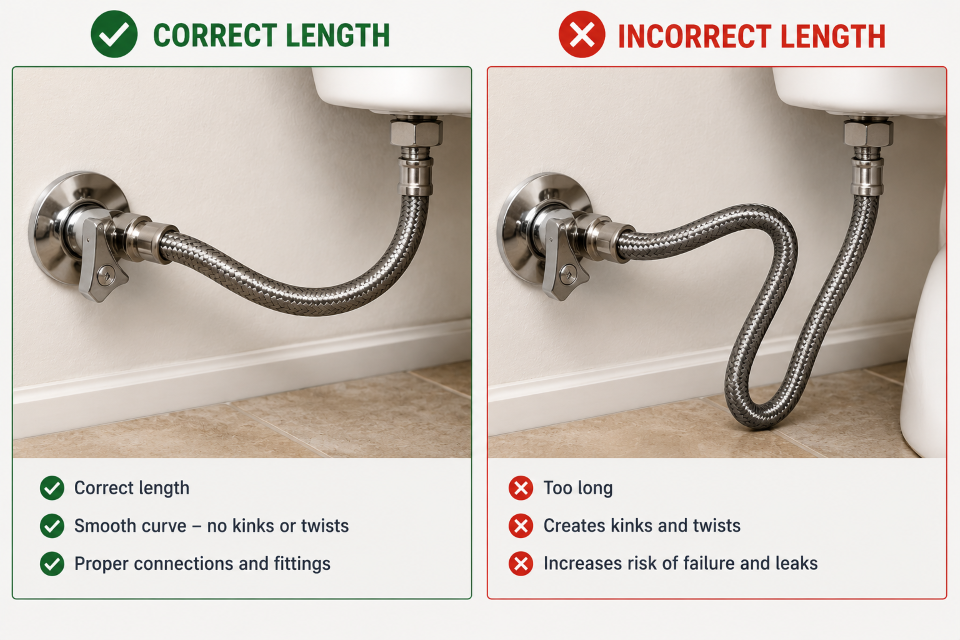
A flexi hose should never be forced into position. If it's twisted, kinked, stretched or bent tighter than the manufacturer's recommended bend radius, the internal lining is placed under constant stress from the day it is installed. It's also important that the hose isn't rubbing against sharp cabinet edges, pipework or other fittings. Continuous vibration or abrasion can gradually damage the outer braid and place additional strain on the hose beneath.
Corrosion and Moisture
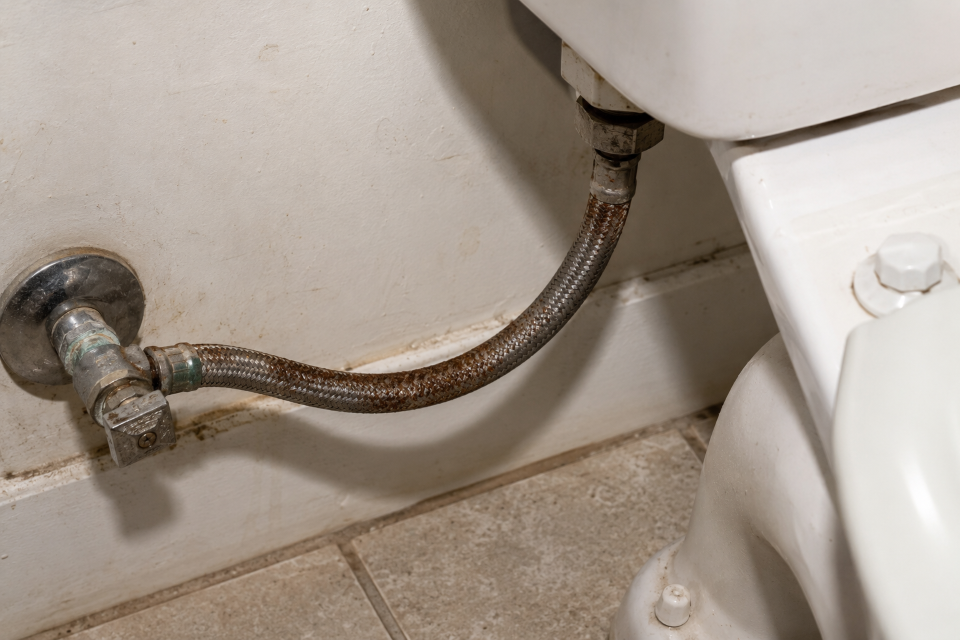
Corrosion often develops around the metal fittings, particularly in damp environments such as under kitchen sinks, bathroom vanities and laundries where minor leaks or condensation may go unnoticed. Rust, green corrosion or mineral build-up around the fittings can weaken the connection between the hose and its end fittings. If left unchecked, these weakened connections can eventually fail under normal operating pressure.
Surface rust doesn't automatically mean a flexi hose is about to burst. In many cases, corrosion develops because the fitting is regularly exposed to moisture or condensation. However, rust should never be ignored. It may indicate an underlying leak, a damp environment or a fitting that's beginning to deteriorate. If you're unsure whether a hose needs replacing, it's worth having it inspected by a licensed plumber rather than relying on appearance alone.
Poor Quality Flexi Hoses
The quality of the hose also plays a role. WaterMark-certified flexi hoses are manufactured and tested to meet Australian plumbing standards, providing greater confidence that they're suitable for local water pressures and plumbing systems. Cheaper products that don't meet these standards may use lower-quality materials or have inconsistent manufacturing quality, increasing the risk of premature failure.
When replacing a flexi hose, choose a WaterMark-certified product that's suitable for South Australian water pressure and installed by a licensed plumber.
Water Hammer
Water hammer occurs when water flowing through your plumbing system is forced to stop suddenly, creating a pressure surge that travels through the pipes. You might notice this as a loud banging or knocking noise when a tap is turned off or a washing machine or dishwasher finishes filling.
Occasional water hammer isn't usually enough to cause a flexi hose to burst on its own. However, repeated pressure surges over many years can place additional stress on ageing hoses and other plumbing components, contributing to premature failure.
Older Adelaide Homes and Burst Flexi Hoses
Many of Adelaide's suburbs have homes that are several decades old. While these properties often have plenty of character, it's not uncommon to find original plumbing components or flexi hoses that have remained in service well beyond their expected lifespan. Even if a kitchen or bathroom has been renovated, the flexi hoses hidden inside cupboards or behind toilets may never have been replaced.
Older homes are also more likely to have plumbing that has undergone multiple repairs or renovations over the years. It's not unusual to find a mixture of old and new fittings, making regular inspections even more important. A simple visual check of the flexi hoses throughout the home can help identify corrosion, leaks or other signs of deterioration before they become a much bigger problem.
Adelaide is also known for having relatively hard water. While hard water doesn't directly cause a flexi hose to burst, mineral deposits can build up around taps, valves and fittings, making leaks or corrosion easier to identify and highlighting areas that may need further inspection.
Signs a Flexi Hose Need Attention
Many burst flexi hoses show signs of deterioration before they fail, but because they're hidden under sinks, behind toilets or inside cupboards, those warning signs are often missed during day-to-day life. Call a licensed plumber, if you notice any of the following signs:
- Rust or corrosion around the hose fittings.
- Green staining or white mineral deposits around the connections.
- Fraying or damage to the stainless steel braid.
- Kinks, flattening or twisting of the hose.
- Bulging sections along the hose.
- Water stains inside cupboards or around the isolation valve.
- Small drips or persistent moisture near the fittings.
If a flexi hose does burst, the amount of water released can be significant. Because these hoses are connected directly to your home's water supply, they can continue flowing until the isolation valve or mains water is turned off. If nobody is home, water can quickly spread through cupboards, flooring, wall cavities and adjoining rooms, resulting in extensive damage. Insurance claims for burst flexi hoses can easily exceed $20,000, depending on the extent of the damage.
Many home and contents insurance policies cover sudden and accidental water damage caused by a burst flexi hose. However, insurers may reduce or deny a claim if the damage is found to have resulted from long-term deterioration, poor maintenance or a plumbing component that had clearly reached the end of its service life.
Replacing a worn flexi hose is a relatively simple plumbing job. At Best Plumbing Maintenance, our licensed Adelaide plumbers can inspect your flexi hoses, check your home's water pressure and replace ageing hoses where necessary.
Call us on (08) 8261 0165 or request a free quote online.
Other plumbing articles