Can Flushing Wipes Really Block Sewer Pipes?
Some people assume that if a product is labelled “flushable”, it’s safe to send down the toilet without a second thought. Wipes are convenient, widely used, and marketed as sewer-friendly, so it’s easy to see why they’ve become part of everyday routines.
We see a very different side of the story. Blocked drains, overflowing toilets, and damaged sewer lines are often linked back to wipes that simply don’t break down the way people expect. What seems like a small habit can quietly build into a costly problem.
So,
can flushing wipes really block sewer pipes? The short answer is
Yes
and understanding why can save you from a major headache later on.
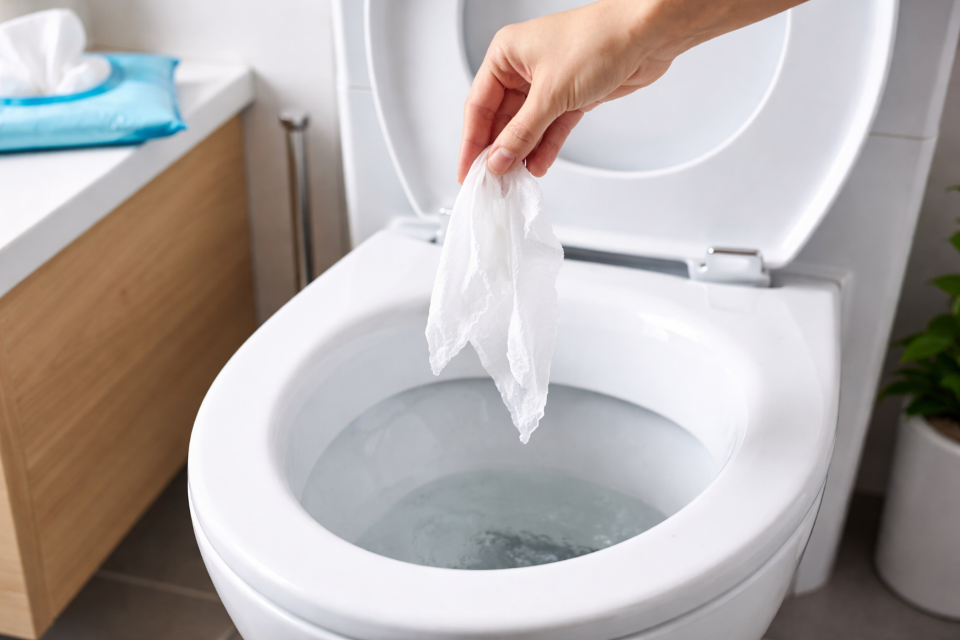
What Are Flushable Wipes Made Of?
Flushable wipes might feel similar to toilet paper, but they’re made very differently. Toilet paper is designed to break apart quickly in water, using short, loosely bonded fibres that fall apart almost as soon as they’re flushed.
Wipes, on the other hand, are built for strength. They’re typically made from a mix of synthetic fibres like polyester or polypropylene, combined with natural fibres such as wood pulp. These materials are bonded tightly together so the wipe stays intact when wet. That’s great for cleaning, but not for your pipes.
Instead of breaking down in seconds like toilet paper, wipes hold their shape as they travel through your plumbing. Even products labelled as “flushable” are engineered to last longer, which means they don’t disintegrate fast enough to move safely through household pipes and sewer systems.
Do Flushable Wipes Actually Break Down in Water?
Flushable wipes do break down eventually, but not in the way most people expect and not nearly fast enough to be safe for your plumbing.
Toilet paper is designed to fall apart within seconds of being flushed. It disperses quickly as it moves through pipes, which helps prevent it from catching or building up. Wipes behave very differently. Even after sitting in water, they tend to stay intact, often stretching or tearing into larger pieces rather than fully disintegrating.
In real plumbing conditions, there’s no time for that slow breakdown. Wastewater needs to move quickly through bends, joints and narrow sections of pipe. Because wipes hold their structure for longer, they can easily snag on rough surfaces or join with other debris before they’ve had any chance to break apart.
So while they may eventually degrade, the key problem is timing. By the time a wipe starts to break down, it has usually already caused or contributed to a blockage.
How Wipes Cause Blocked Sewer Pipes
Once wipes move beyond your toilet, they start interacting with the inside of your plumbing and that’s where problems build.
Pipes aren’t perfectly smooth. There are joins, bends and small imperfections along the way. As wipes travel through, they can catch on these points instead of flowing straight through. Because they stay intact, they don’t slip past like toilet paper would.
From there, it becomes a chain reaction. One wipe gets stuck, then others latch onto it. Add in everyday waste like hair, soap residue and grease, and the blockage starts to grow. Over time, this build-up narrows the pipe until water can’t pass through properly.
In larger sewer lines, the issue gets worse. Wipes combine with fats and oils to form dense clumps that harden and restrict flow. What started as a single flush can eventually turn into a major obstruction affecting not just your home, but the wider sewer system.
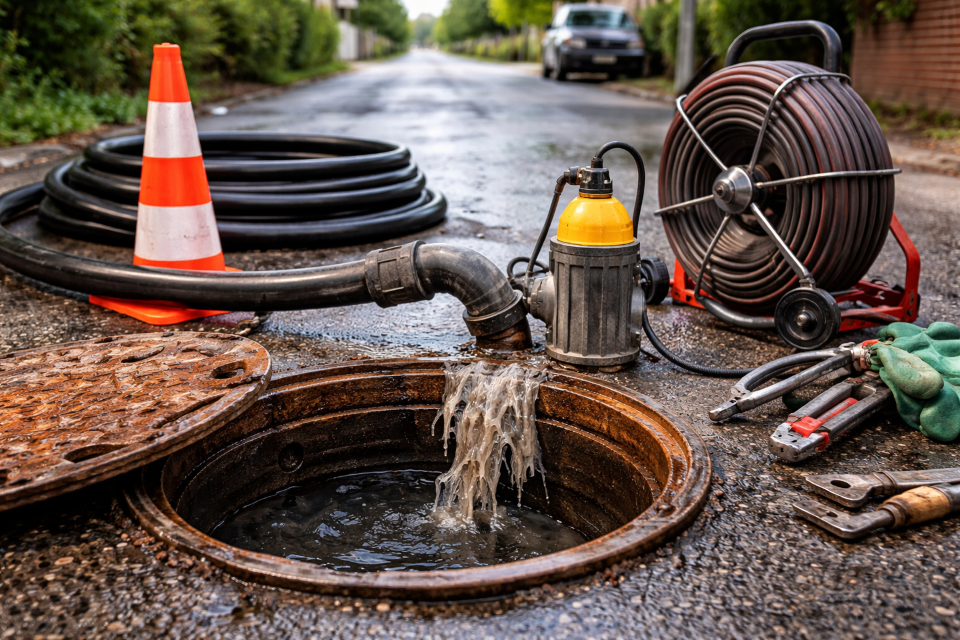
What Happens Once Wipes Enter the Sewer System?
After wipes leave your home, the problem doesn’t disappear, it just moves further downstream.
In the sewer network, wastewater is constantly flowing through a mix of pipes, pump stations and treatment facilities. These systems are designed to handle human waste and toilet paper, not tough, fibrous materials. Because wipes stay intact, they don’t move through the system as easily as expected.
As they travel, wipes can collect in low-flow areas or around equipment like pumps. Over time, they wrap around moving parts, reduce efficiency and force systems to work harder than they should. This often leads to mechanical failures, blockages and costly maintenance for water authorities.
At a larger scale, wipes contribute to the formation of solid masses in the sewer network. These can restrict flow, cause overflows and, in some cases, push untreated wastewater back into streets, waterways or even homes.
So while a single wipe might seem harmless, once it enters the sewer system it becomes part of a much bigger issue that affects infrastructure, the environment and public health.
Signs Your Pipes May Be Blocked
Blockages caused by wipes don’t usually happen all at once. They build gradually, and your plumbing will often give you early warning signs before things get serious.
One of the first things people notice is slow drainage. Toilets may take longer to flush properly, or water levels might rise higher than usual before going down. Sinks and showers can also start draining more slowly if the blockage is further along the line.
You might hear gurgling sounds coming from the toilet or nearby drains. This happens when air gets trapped in the pipes due to restricted flow. It’s a clear sign something is interfering with how wastewater is moving through your system.
Another red flag is water backing up where it shouldn’t. For example, flushing the toilet might cause water to rise in the shower or floor drain. This points to a blockage deeper in the sewer line rather than just a local issue.
If you’re dealing with repeated clogs, even after clearing them, that’s often a sign the underlying problem hasn’t been fully removed. Wipes can sit further down the pipe, catching new debris and causing the same issue to return again and again.
Are “Flushable” Wipes Really Safe to Flush?
The term “flushable” sounds reassuring, but it doesn’t mean what most people think it does.
There’s no single, strict standard that guarantees a wipe will behave safely in every plumbing system. Many products are tested in controlled conditions that don’t reflect real homes, older pipes, or busy sewer networks. Passing those tests doesn’t always translate to trouble-free flushing in the real world.
We consistently advise against flushing wipes altogether. Our recommendation is simple: if it’s not toilet paper, it shouldn’t go down the toilet. That advice comes from years of dealing with blockages, damaged infrastructure and expensive repairs linked to wipes.
The key issue is reliability. Even if some wipes break down better than others, there’s no way to guarantee how they’ll behave once they leave your home. Small differences in pipe condition, flow rate or existing build-up can turn a “safe” flush into a problem.
In practice, calling wipes “flushable” is more of a marketing term than a plumbing guarantee.
What Should You Do Instead of Flushing Wipes?
The safest approach is simple: don’t flush them. Even if a product says it’s flushable, it’s better to treat wipes like any other household waste.
Dispose of wipes in a bin after use. If hygiene is a concern, use a small lined bin with a lid in the bathroom. This keeps things clean and avoids any odour issues without risking your plumbing.
Stick to toilet paper as the only item you flush. It’s designed specifically for sewer systems and breaks down quickly, which keeps everything flowing as it should.
What to Do If You Already Have a Blockage
If your drains are already struggling, acting early can stop things from getting worse.
Start with the basics. A plunger can often clear minor blockages in toilets and sinks by shifting the obstruction enough to restore flow. If that doesn’t work, a drain snake can help break through or pull out material sitting further down the pipe.
Be cautious with chemical drain cleaners. While they can sometimes provide a quick fix, they don’t always remove the full blockage and can damage pipes if used too often. If the issue keeps coming back, it’s usually a sign there’s something more stubborn deeper in the line.
Recurring clogs, slow drainage across multiple fixtures, or any signs of water backing up are clear indicators that it’s time to bring in a professional. A licensed plumber can properly inspect the pipes and use the right equipment to remove the blockage completely.
If you’re dealing with a blocked drain in Adelaide, Best Plumbers Adelaide can help. Call (08) 8261 0165 for fast, reliable service, free quotes and transparent pricing from a trusted local family business.
The Environmental Impact of Flushing Wipes
Flushing wipes doesn’t just affect your plumbing, it puts pressure on the entire wastewater system and the environment beyond it.
Because wipes don’t break down quickly, they need to be removed during treatment. This requires extra equipment, more energy and frequent maintenance, all of which increase operating costs for water authorities. Those costs often flow back to the community through higher service charges.
When blockages occur in the network, they can lead to sewer overflows. In these situations, untreated wastewater can spill into streets, parks and waterways. That contamination harms local ecosystems, affects water quality and creates health risks for people and wildlife.
Many wipes also contain plastic-based fibres. Once they enter the environment, they don’t fully degrade and can contribute to long-term pollution. Over time, they can break into smaller particles that persist in soil and water.
What seems like a small, everyday habit can have wider consequences. Keeping wipes out of the toilet helps protect both the sewer system and the environment around it.
Blocked Drains?
If you’re dealing with blocked drains or want to avoid costly plumbing issues, get it sorted properly the first time.
Call
Best Plumbers Adelaide on
(08) 8261 0165 for fast, reliable service, free quotes and transparent pricing from a trusted local family business.
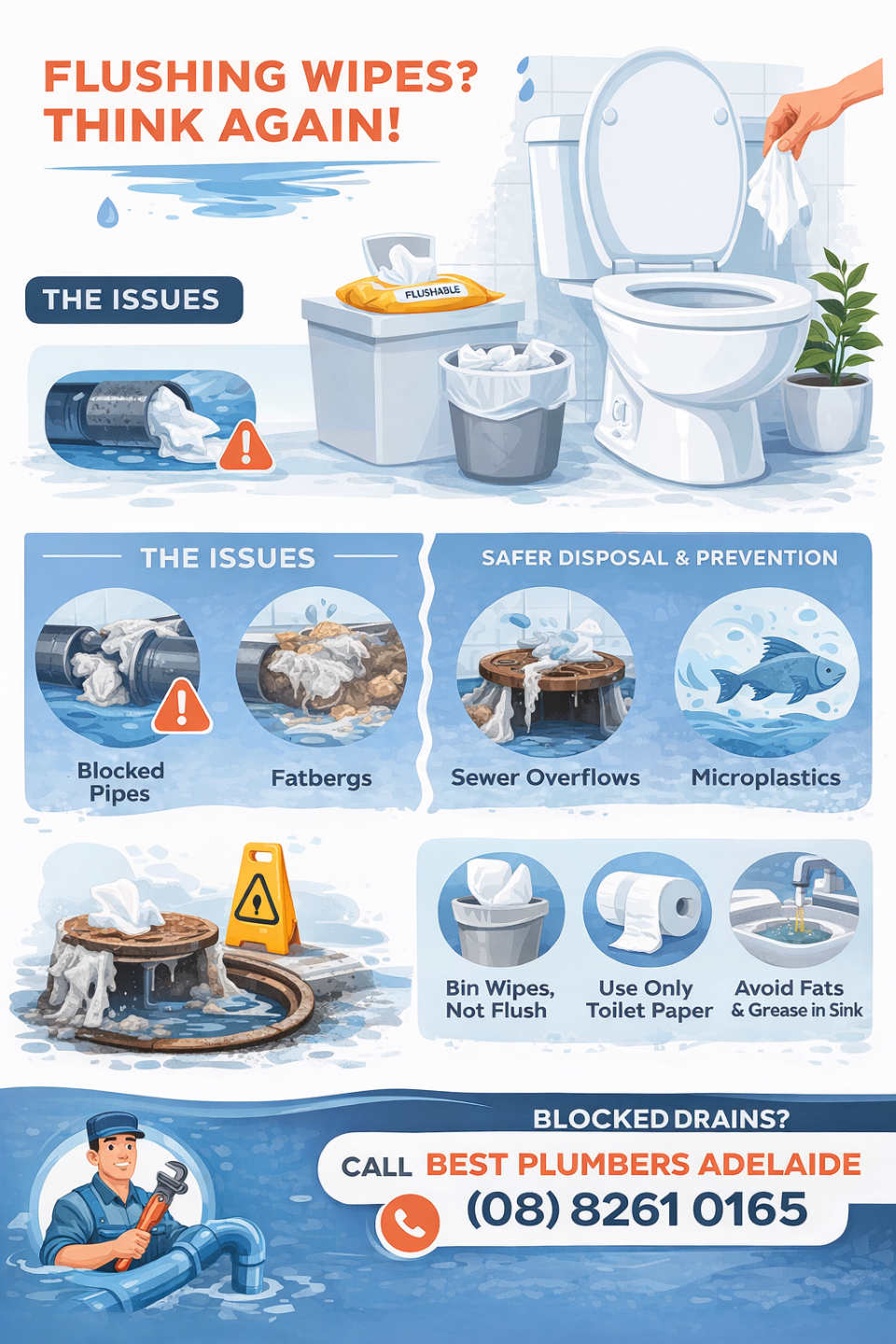
FAQs
Can one wipe really block a pipe?
On its own, probably not straight away. But it only takes one wipe to get caught inside the pipe and start collecting other debris. Over time, that build-up can turn into a full blockage.
Are biodegradable wipes safe to flush?
Not really. “Biodegradable” just means they break down eventually, not quickly enough for plumbing systems. They can still cause the same issues as regular wipes before they start to degrade.
Why does toilet paper break down but wipes don’t?
Toilet paper is made to dissolve rapidly in water, using loosely bonded fibres. Wipes are designed to stay strong when wet, so they hold together much longer and don’t break apart as needed.
How much does it cost to fix a blocked sewer pipe?
It depends on the severity. Minor blockages can be relatively inexpensive to clear, while major sewer line issues can cost significantly more, especially if excavation or pipe repairs are required.
What should I do if my toilet is already blocked?
Try using a plunger first. If that doesn’t work or the problem keeps coming back, it’s best to call a licensed plumber to properly clear the blockage and check for any deeper issues.
If you’re dealing with blocked drains or want to avoid costly plumbing issues, get it sorted properly the first time.
Call Best Plumbers Adelaide on (08) 8261 0165 for fast, reliable service, free quotes and transparent pricing from a trusted local family business
Other plumbing articles