Why DIY Plumbing Can Void Your Insurance
Trying to save money with DIY plumbing is tempting. A quick fix from a hardware store, a YouTube tutorial, and the job looks done. The problem is that plumbing mistakes often stay hidden until serious damage has already occurred. When that happens, many Australians are shocked to find their insurance will not help.
Most home and landlord insurance policies in Australia are closely linked to plumbing laws. If plumbing work is not carried out by a licensed plumber where required, insurers can legally reject a claim, even if the work was done with good intentions.
Why Insurers Care Who Does Your Plumbing
Insurance companies assess risk, not effort. Licensed plumbing work follows strict regulations, Australian Standards, and legal requirements. It also comes with accountability. Licensed plumbers are trained, insured, and required to certify regulated work.
DIY plumbing has none of those safeguards. There is no independent verification that the work is compliant, no compliance certificate, and no guarantee the installation is safe or legal. When damage occurs, insurers cannot confirm whether the problem was unavoidable or caused by faulty workmanship, which puts the claim at risk.
How DIY Plumbing Can Void Your Insurance
One of the most common reasons claims are denied is unlicensed work. If damage is traced back to DIY plumbing, insurers can argue that policy conditions were breached. Once this happens, the damage is treated as preventable rather than accidental.
Another major issue is the absence of a compliance certificate. Many types of plumbing work legally require certification. Without it, there is no proof the work meets Australian Standards, giving insurers clear grounds to refuse a claim.
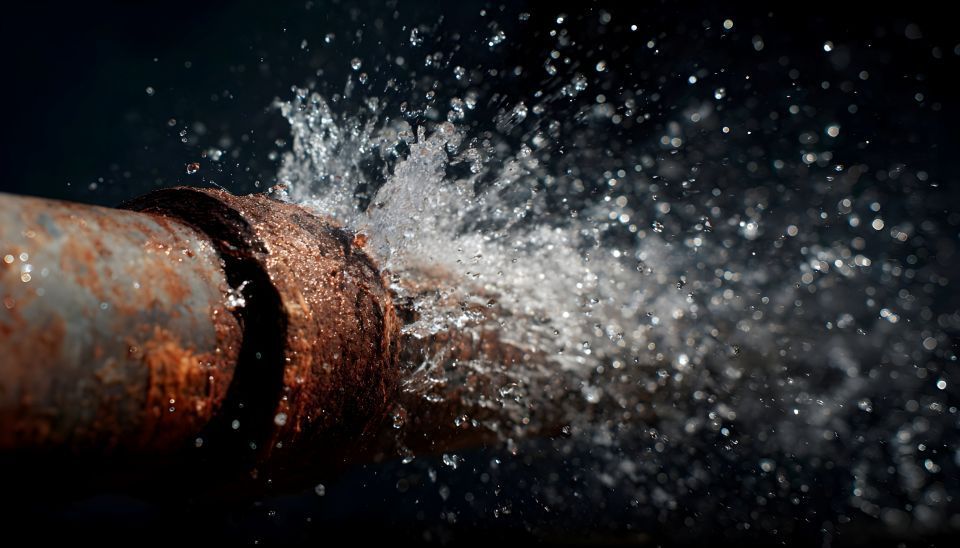
DIY plumbing also increases the likelihood of slow, hidden leaks. Small errors often lead to moisture build up behind walls, under floors, or inside ceilings. Because this type of damage develops gradually, most insurance policies exclude it altogether.
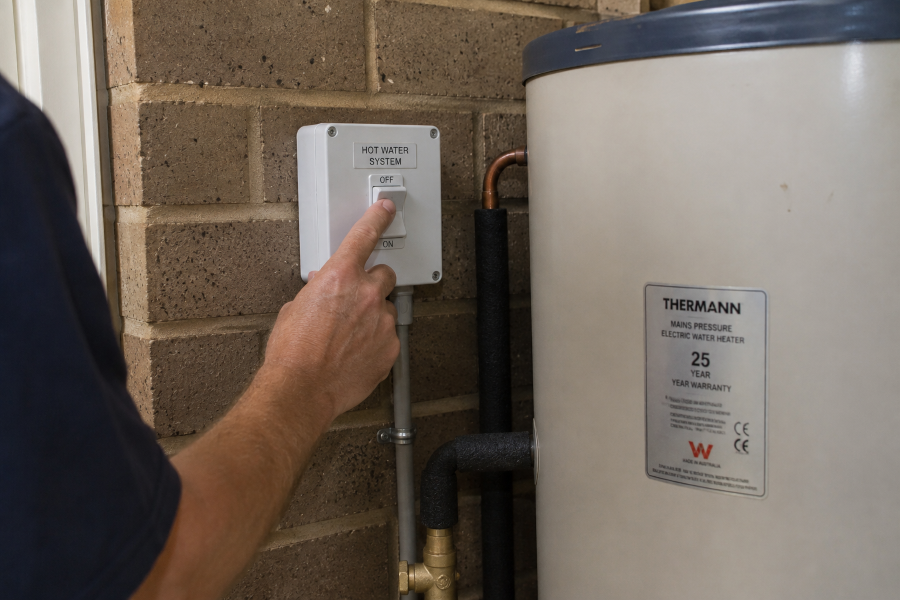
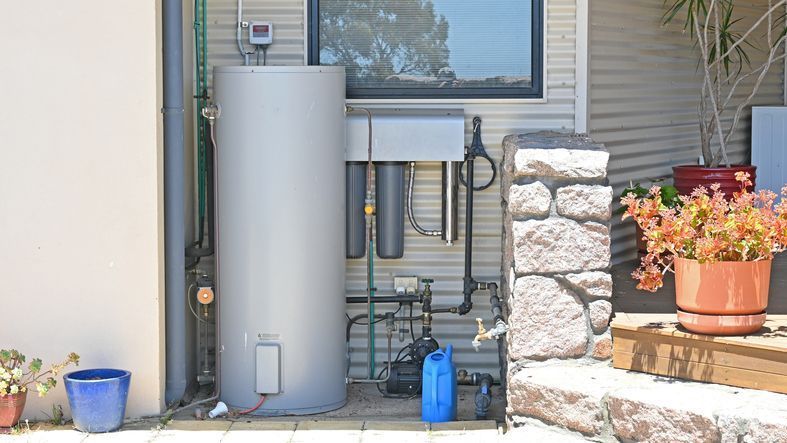
High risk plumbing work is an even bigger concern. Incorrect installation of hot water systems, gas lines, or backflow devices can lead to fires, gas leaks, or water contamination. Insurers apply strict exclusions in these cases due to the safety risks involved.
Common DIY Plumbing Jobs that Cause Insurance Issues
Many insurance claims are rejected after renovations or upgrades where plumbing was done without a licence. This includes bathroom and kitchen renovations, pipe alterations, drainage changes, hot water system installations, and incorrect appliance connections. Even work that seems minor can create major problems if it affects regulated plumbing systems.
What Plumbing Work Legally Requires a Licensed Plumber
While plumbing laws are managed at a state level, the rules are largely consistent across Australia. Any plumbing work that affects health, safety, water supply, drainage, or gas must be completed by a licensed plumber.
This includes water supply pipes, sewer and stormwater drainage, gas fitting, hot water systems, backflow prevention, roof plumbing, and plumbing in apartments, strata buildings, and commercial properties. Fire service plumbing such as hydrants and hose reels also requires licensed professionals.
What You Might be Allowed to do Yourself
Minor maintenance tasks like replacing a tap washer or changing a shower head are generally allowed, as long as no pipework is altered. Even so, poor workmanship can still cause damage, and insurers may closely examine the cause if a claim is made.
Why Hiring a Licensed Plumber Protects You
Using a licensed plumber is not just about legal compliance. It protects your insurance cover, ensures work meets Australian Standards, and reduces the risk of hidden damage. Licensed plumbers also carry their own insurance and provide compliance certificates where required, giving you clear protection if something goes wrong.
The Real Cost of DIY Plumbing
DIY plumbing may save money upfront, but the financial risk is significant. One denied insurance claim can cost far more than hiring a licensed plumber in the first place. DIY plumbing is rarely worth the risk. If a job involves water supply, drainage, gas, or hot water, it should be handled by a licensed plumber. Doing it properly protects your home, your insurance, and your peace of mind.
If you’re in Adelaide and thinking about tackling a plumbing job yourself, it’s worth getting proper advice first. A licensed local plumber can save you time, protect your insurance, and prevent costly damage down the track. Whether it’s a small repair or a larger plumbing job, Best Plumbing Maintenance is here to help with compliant, professional work you can trust. Call our Adelaide plumbers today and get it done properly, the first time.
Other plumbing articles