How to Get Rid of Smelly Drains in Bathroom
A smelly bathroom drain is one of those issues you notice straight away and can’t ignore. Whether it’s coming from the shower, sink or floor waste, that unpleasant odour usually means something is building up or not working properly inside your pipes. The good news is most causes are simple and can be fixed without major work if you catch them early.
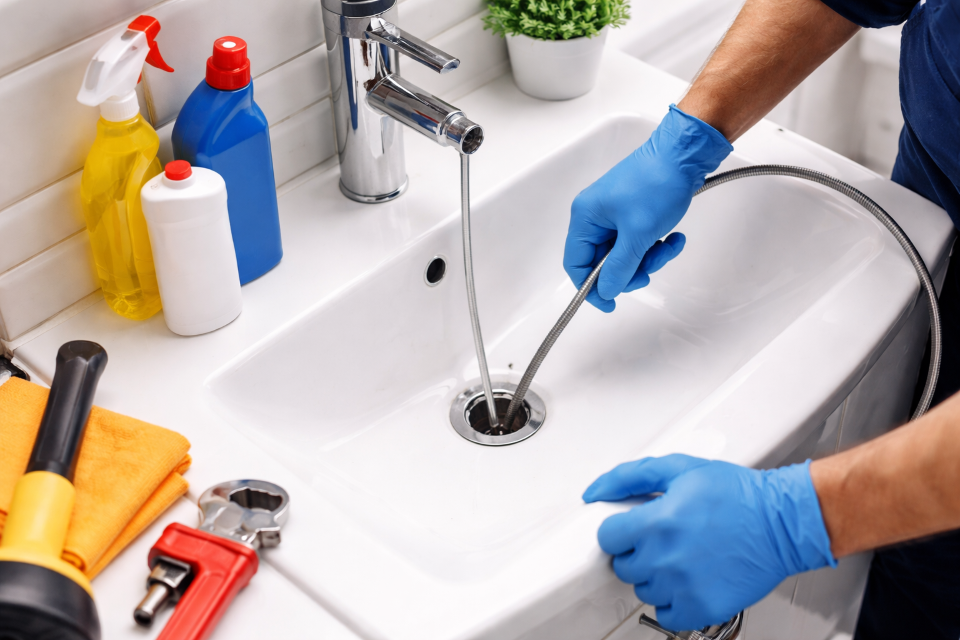
Why Does My Bathroom Drain Smell?
That smell isn’t random. It’s usually a sign something is sitting in your pipes that shouldn’t be there, or something meant to block odours isn’t doing its job.
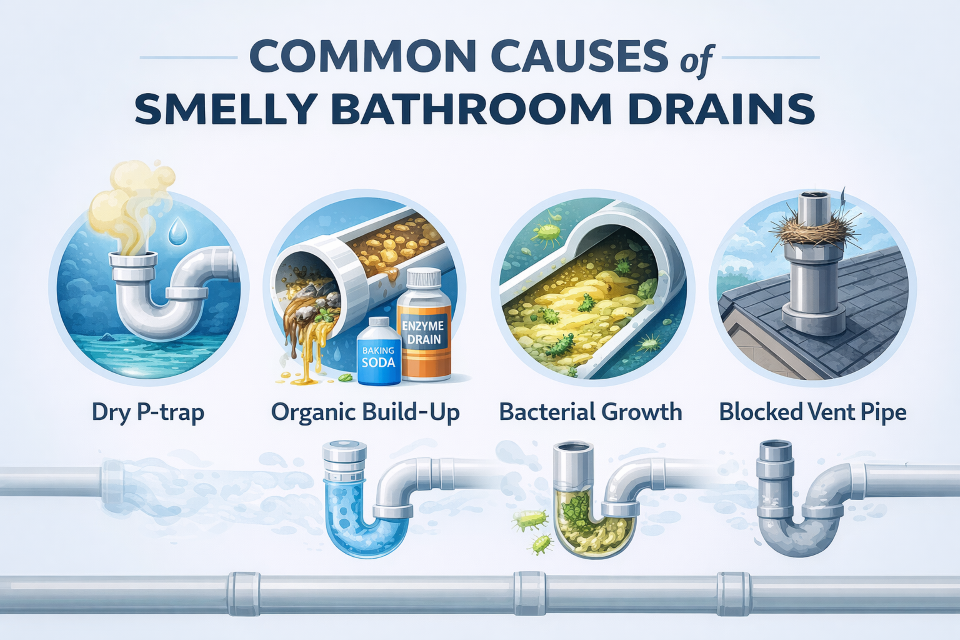
In most homes, bathroom drain smells come down to a few common issues. Hair, soap and grime can build up over time and start to break down, which creates that stale, sour smell. If water isn’t flowing properly, that build-up gets worse and the odour sticks around.
Sometimes it’s not a blockage at all. Every drain has a small bend in the pipe called a trap that holds water to stop sewer gases coming back up. If that water dries out, especially in rarely used showers or floor drains, those gases can escape and cause a strong, unpleasant smell.
There are also cases where bacteria grow inside the pipes, forming a slimy layer that traps debris and produces odours. And if the smell is persistent or quite strong, it could point to a deeper issue like a partial blockage or a venting problem in your plumbing system.
The key is figuring out which of these is causing the smell so you can fix it properly, not just mask it.
How to Identify the Source of the Smell?
Before you try to fix it, it’s worth taking a minute to pinpoint exactly where the smell is coming from. That makes the solution much quicker and stops you guessing.
Start by checking each drain in your bathroom. Run water in the sink, shower and floor drain one at a time and see if the smell gets stronger from any specific spot. If it’s only coming from one fixture, you’re likely dealing with a local build-up or blockage.
Pay attention to timing as well. If the smell is worse first thing in the morning or after the bathroom hasn’t been used for a while, it could be a dry P-trap. If it gets stronger after running water, that often points to build-up being disturbed inside the pipe.
Look for other signs while you’re there. Slow draining water, gurgling sounds or water backing up are clear indicators of a blockage forming. A constant sewage-like smell, even when everything is clean and flowing, may suggest a venting issue or something deeper in the system.
Once you know where it’s coming from and when it happens, you’ll have a much clearer idea of what needs fixing.
Simple DIY Ways to Get Rid of Smelly Drains
Once you’ve worked out where the smell is coming from, you can usually fix it with a few simple steps. Most of these take only a few minutes and use things you already have at home.
Flush with Boiling Water
Start with the easiest option. Pour a full kettle of boiling water down the drain. This helps loosen soap scum, dissolve light build-up and flush away anything sitting in the pipe. It’s a good first step before trying anything else.
Use Baking Soda and Vinegar
This is a simple but effective way to break down odours. Pour about half a cup of baking soda into the drain, followed by one cup of vinegar. Let it fizz and sit for 10 to 15 minutes, then flush with hot water. It helps lift grime and neutralise smells without harsh chemicals.
Clean the Drain Plug or Waste
A lot of the smell can come from what you can’t see at first glance. Pull out the drain plug or grate and check for trapped hair and sludge underneath. Give it a proper clean, as this is often where the worst of the odour builds up.
Use an Enzyme Cleaner
If the smell keeps coming back, an enzyme-based cleaner can help. These break down organic material like hair and soap residue inside the pipes, rather than just masking the smell. They’re also safer for your plumbing than strong chemical cleaners.
Refill a Dry P-Trap
If you suspect a dry drain, simply run water for 30 seconds to a minute. This refills the trap and blocks sewer gases from coming back up. For floor drains or rarely used showers, doing this every couple of weeks can stop smells from returning.
These fixes handle most common causes. If the smell disappears after one of these, you’ve likely solved the problem. If not, it may be something deeper in the system.
How to Prevent Smelly Bathroom Drains
Once the smell is gone, keeping it from coming back is mostly about simple habits. A bit of regular upkeep goes a long way and saves you from dealing with the same issue again in a few weeks.
Start with a quick weekly flush. Running hot water down your bathroom drains helps clear out soap residue before it has a chance to build up. It only takes a minute but makes a big difference over time.
Using a drain cover in your shower or sink is one of the easiest wins. It catches hair before it goes down the pipe, which is one of the main causes of smelly build-up. Less hair in the drain means less chance of blockages and odours.
It also helps to give your drains a deeper clean every month or so. A simple baking soda and hot water flush can keep things fresh and stop bacteria from building up inside the pipes.
If you have a bathroom that doesn’t get used often, make a habit of running water in the drains every couple of weeks. This keeps the trap filled and prevents sewer smells from creeping back in.
Small, consistent steps like these keep your drains clear, fresh and working the way they should.
When DIY Fixes Don’t Work
If you’ve tried the basics and the smell keeps coming back, it’s usually a sign the problem goes deeper than surface build-up.
One of the first red flags is a smell that doesn’t improve after cleaning. If you’ve flushed the drain, removed debris and even used an enzyme cleaner, but the odour returns within a day or two, there’s likely something further down the pipe that hasn’t been cleared.
Slow drainage is another clear sign. If water takes longer to go down or you notice gurgling sounds, it often means a partial blockage is forming. These blockages trap waste and bacteria, which continue to produce smells no matter how much you clean the top of the drain.
You should also pay attention to strong sewage-like odours. If the smell is sharp, constant or spreads beyond the bathroom, it could point to a venting issue or a problem with the sewer line rather than the drain itself.
At this point, it’s less about cleaning and more about diagnosing the actual cause. Continuing with DIY fixes can sometimes mask the issue rather than solve it, so it’s a good time to look at professional help.
Professional Solutions for Smelly Drains
When the smell won’t go away, a plumber can look beyond the surface and fix the root cause properly.
One of the most effective tools is a CCTV drain inspection. This involves sending a small camera down the pipe to see exactly what’s going on inside. It quickly shows if there’s a blockage, build-up, damage or even tree roots causing the issue.
For stubborn build-up, professional drain cleaning like high-pressure water jetting is often used. This clears out grease, sludge and debris along the full length of the pipe, not just near the surface. It’s much more thorough than anything you can do at home.
If the problem is related to venting, a plumber can check whether your system is allowing air to flow properly. Poor ventilation can trap gases in the pipes, which then escape through your drains.
In some cases, the issue may be a deeper sewer line problem or a damaged section of pipe. Identifying this early can prevent bigger and more expensive repairs down the track.
Getting a professional involved doesn’t just remove the smell, it ensures your plumbing system is working as it should.
Need Help with Smelly Drains?
If the smell keeps coming back or you’re not sure what’s causing it, it’s time to get it checked properly.
At Best Plumbing Maintenance Adelaide, we’re a trusted family-run business known for honest service and reliable results. We offer free quotes, transparent pricing and no surprises, just clear advice and quality work.
Call us today on (08) 8261 0165 and get your bathroom drains sorted quickly and properly.
Is a Smelly Drain a Health Risk?
In most cases, a smelly drain is more of a warning sign than an immediate danger. It usually means there’s build-up, bacteria or stagnant water sitting in your pipes. While that’s not ideal, it’s not typically harmful if dealt with early.
That said, certain smells can point to something more serious. A strong rotten egg or sewage smell may indicate sewer gases like hydrogen sulphide coming back up through the drain. In small amounts, it’s mostly unpleasant, but prolonged exposure in enclosed spaces can cause headaches, dizziness or irritation.
There’s also the issue of bacteria. The slime and debris inside smelly drains can harbour germs, which isn’t something you want in a space you use daily, especially around sinks and showers.
The key thing is this: if the smell is mild and goes away after cleaning, it’s usually nothing to worry about. But if it’s strong, persistent or spreading through your home, it’s best to get it checked. It could be a sign of a deeper plumbing issue that needs proper attention.
Still Dealing with Smelly Drains?
If you’ve tried the quick fixes and the smell just won’t go away, it’s time to get it sorted properly.
Best Plumbing Maintenance Adelaide is a trusted family-run team known for reliable service, free quotes and transparent pricing. We’ll find the real cause of the issue and fix it properly, not just temporarily.
Call (08) 8261 0165 today and get your bathroom drains running clean and fresh again.
FAQs
Why does my bathroom drain smell like rotten eggs?
A rotten egg smell is usually caused by hydrogen sulphide gas. This can happen when organic matter builds up in your pipes or if sewer gases are escaping due to a dry trap or plumbing issue.
Can bleach fix a smelly drain?
Bleach might reduce the smell temporarily, but it doesn’t remove the underlying build-up. It can also be harsh on your pipes if used often. It’s better to use hot water, baking soda or an enzyme cleaner for a longer-lasting result.
How often should I clean my bathroom drains?
A light clean every week with hot water is a good habit. For a deeper clean, aim for once a month to prevent build-up and keep odours away.
Why does the smell come back after cleaning?
If the smell returns quickly, it usually means there’s still build-up deeper in the pipes or a partial blockage. In some cases, it could also be a venting or sewer issue that needs professional attention.
Is a smelly drain always a blockage?
Not always. While blockages are a common cause, smells can also come from bacteria, biofilm or a dry P-trap. That’s why identifying the source is important before trying to fix it.
When should I call a plumber for a smelly drain?
If the smell is strong, keeps coming back or is paired with slow drainage or gurgling sounds, it’s best to call a plumber. These are signs the issue may be deeper than a simple clean can fix.
If your bathroom drains still smell or keep coming back, don’t leave it to get worse. Call Best Plumbing Adelaide on (08) 8261 0165 for a fast fix, free quote and honest pricing.
Other plumbing articles