What to Check Before Buying a House with Older Plumbing
Buying an older home can be appealing, particularly in established Adelaide suburbs where character properties often offer larger blocks and solid construction. However, one of the most overlooked risks during the buying process is the plumbing hidden behind walls, under floors and below ground. Unlike cosmetic issues, plumbing problems are rarely obvious during a standard inspection and can result in significant repair costs shortly after settlement.
Older plumbing systems were installed using materials and methods that often no longer meet current Australian standards. Over time, pipes corrode, joints weaken and past repairs can conceal more serious system-wide issues. What appears to be a minor drip or slow drain during an inspection can be an early warning sign of widespread deterioration.
In this article, an older house generally refers to properties that are 40 to 60+ years old, with the highest plumbing risk typically found in homes built before the 1980s. This age range is particularly relevant across Adelaide and regional South Australia, where many properties still operate on original or partially upgraded plumbing systems.
Homes 50+ Years Old
Properties built in the 1960s and 1970s commonly used galvanised steel water pipes and clay sewer pipes. At this age, internal corrosion, restricted water flow and failing joints are very common, even if the plumbing still appears functional on the surface. These homes are more likely to require full pipe replacement or sewer upgrades rather than isolated repairs.

Homes 30 to 40 Years Old
Homes built in the 1980s and early 1990s often fall into a grey area. Some may have received partial upgrades, while others still contain older materials mixed with newer pipework. These properties frequently show signs of patched plumbing, where individual problems have been fixed over time without addressing the system as a whole.
Homes Under 30 Years Old
While not the primary focus, newer homes can still experience plumbing issues due to poor workmanship, ground movement or non-compliant renovations. However, overall plumbing risk is generally lower compared to older builds, particularly where modern materials and compliant installations have been used.
How Old Plumbing Systems Typically Work
Older plumbing systems were designed for a very different standard of living. Water usage was lower, appliances were fewer, and systems were not intended to support high-pressure demand. Plumbing materials were selected based on availability at the time rather than long-term durability.
Many older homes across Adelaide and surrounding regions were plumbed using galvanised steel pipes for water supply. While durable when first installed, these pipes corrode internally over time, gradually reducing water flow and pressure. As corrosion progresses, pipes can become brittle and prone to sudden leaks or failure.
Copper piping is also common in older properties, particularly in homes built or upgraded from the mid to late 20th century. Copper generally performs better than galvanised steel, but age, water quality and past workmanship can still lead to joint failures or pinhole leaks. In many cases, copper sections are mixed with newer materials, creating vulnerable connection points.
For drainage and sewer systems, older homes often rely on clay or earthenware pipes. These pipes are susceptible to cracking, shifting and tree root intrusion, especially in properties with established gardens. Unlike modern PVC systems, clay pipes lack flexibility, making them more vulnerable to ground movement over time.
Because these systems were never designed for today’s water pressure, household demand or modern appliances, plumbing that appears to be working can still be under constant strain. This is why older plumbing often functions adequately at first, only for major issues to emerge once the property is occupied.
Signs the Plumbing Has Been Patched Over Time
In many older homes, plumbing systems have been repaired gradually over decades rather than upgraded as a complete system. While some work may have been done professionally, other repairs are often reactive or temporary, masking underlying problems.
One of the clearest indicators is a mix of pipe materials throughout the home. Galvanised steel connected to copper or plastic piping usually points to partial replacements rather than a full system upgrade. These transition points are common failure areas as different materials age and expand differently.
Visible joins, clamps and exposed pipe sections are another warning sign. Excessive fittings, irregular pipe runs or patched sections can suggest previous leaks or rushed repairs rather than properly planned installations. These areas are more likely to fail again, particularly in older systems already operating under pressure.
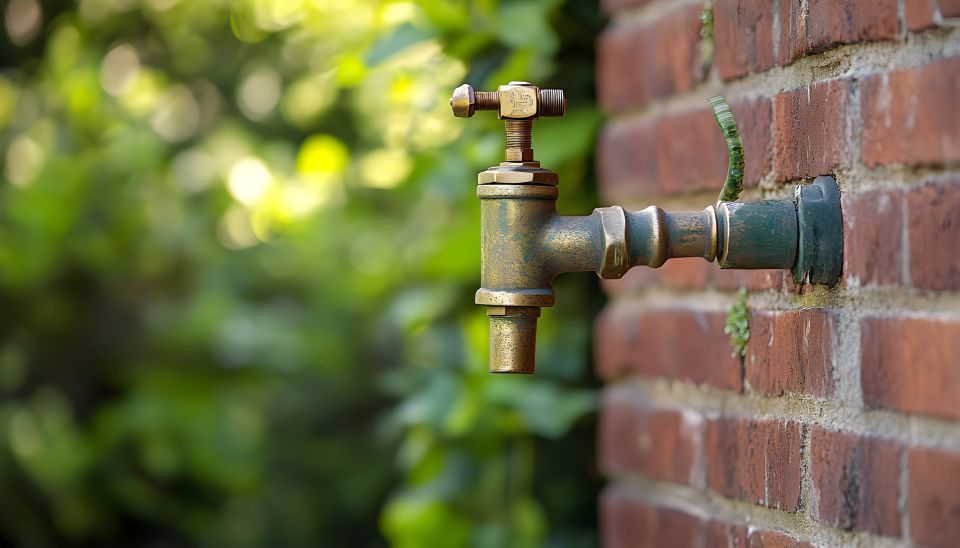
DIY fixes are also common in ageing properties. Sealants, tape, mismatched fittings or poorly supported pipes often indicate unlicensed work. While these fixes may hold temporarily, they rarely withstand normal water pressure or modern household usage.
Frequent minor issues such as recurring leaks, dripping taps or repeated drain blockages can also indicate a system that has been continually patched rather than properly repaired. Individually these problems may seem minor, but together they often point to broader deterioration that will eventually require significant plumbing work.
Water Pressure and Flow Checks
Water pressure is one of the easiest things to test during an inspection, yet it reveals a lot about the condition of older plumbing. Turn on multiple taps at once, including the shower, and note any sudden drops in pressure. Flush toilets while taps are running to see if flow weakens or fluctuates.
Warning signs include slow filling toilets, weak shower pressure, or taps that surge and splutter. In many older Adelaide homes, low pressure is not caused by the mains supply but by internal pipe corrosion. Galvanised pipes gradually narrow as rust builds up inside, restricting water flow throughout the house.
Ageing pipes struggle to cope with modern water demand, especially in homes with multiple bathrooms or newer appliances. Consistently low pressure often indicates that pipe replacement or relining may be required rather than a simple fix.
Drainage and Sewer System Red Flags
Drainage issues are common in older properties and can be expensive to resolve after purchase. Slow draining sinks, showers or floor wastes suggest partial blockages or failing pipes. Gurgling sounds when water drains can indicate air trapped in the system due to cracks or obstructions.
Sewer smells inside the home or around the yard are a serious warning sign. Older clay sewer pipes are prone to cracking, collapsing or separating at joints. These issues often allow sewage leaks and root intrusion, particularly in properties with mature trees.
Tree roots are one of the most common causes of sewer failure in older blocks. Roots seek moisture and easily penetrate cracked clay pipes, leading to repeated blockages. Sewer repairs are among the highest post purchase plumbing costs because they often involve excavation or specialised relining work.
Hot Water System Age and Compatibility
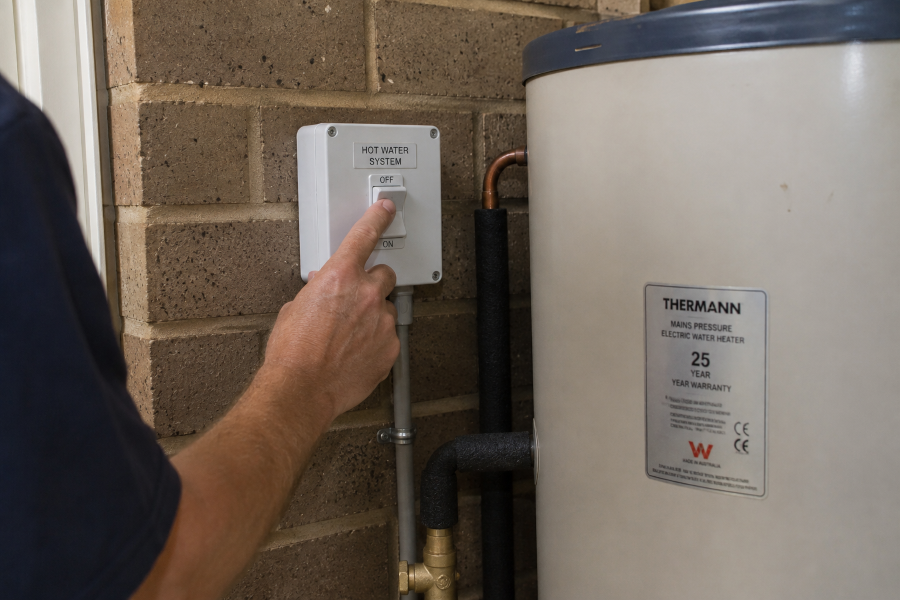
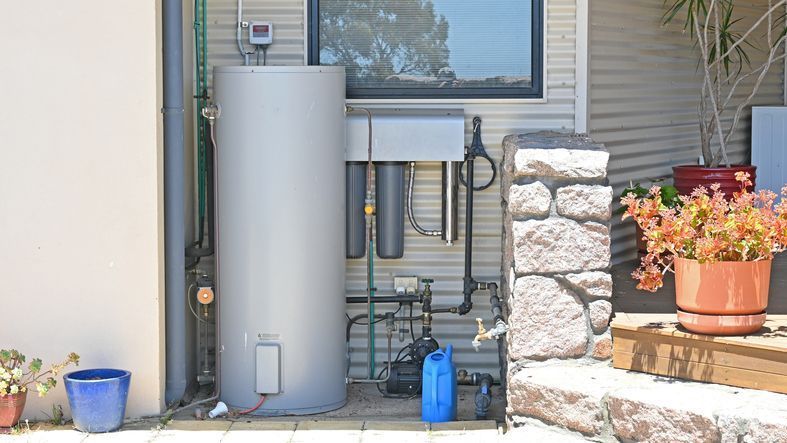
Hot water systems have a limited lifespan, typically between 8 and 15 years depending on the type and water quality. Check the age of the unit and whether it has been replaced or upgraded recently. An older system may still function but struggle to meet modern household demand.
Many older homes were not designed for continuous hot water use across multiple bathrooms. Pipe sizing, water pressure and system capacity may be incompatible with current expectations. This often leads to temperature fluctuations or running out of hot water quickly.
Electrical and gas compliance is also critical. Older systems may not meet current safety standards, especially if upgrades or extensions have been carried out over time. Non compliant installations can pose safety risks and may need immediate attention after settlement.
Leaks, Moisture and Water Damage
Visible leaks are not always the biggest concern in older plumbing systems. Start by checking under sinks, around toilets, in laundries and near hot water units for signs of moisture or corrosion. Even small drips can indicate failing joints or pipes nearing the end of their life.
Hidden leaks behind walls or under floors are more difficult to detect but often leave clues. Look for water staining, bubbling paint, warped flooring or soft patches in walls. Musty smells or persistent mould can also signal ongoing moisture issues.
Small leaks rarely stay small in ageing systems. What appears to be a minor issue can point to widespread pipe deterioration that may result in major repairs if left unresolved.
Compliance With Current Plumbing Standards
Plumbing standards in Australia have changed significantly over time, particularly around water efficiency, backflow prevention and safety. Older homes often contain installations that were acceptable decades ago but no longer meet current regulations.
Common non compliant issues include incorrect pipe sizing, lack of isolation valves, outdated materials and unsafe hot water installations. These issues can create safety risks and may affect insurance coverage if damage occurs.
If you plan to renovate or extend an older home, many of these elements must be upgraded to meet current standards. Understanding what is compliant and what is not helps avoid unexpected costs during future works.
Outdoor Plumbing and Stormwater
Outdoor plumbing is often overlooked but plays a major role in protecting the property. Inspect stormwater drains for cracks, blockages or signs of collapse. Older terracotta pipes are particularly vulnerable to movement and root intrusion compared to modern PVC systems.
Poor stormwater drainage can cause yard flooding, water pooling near foundations and moisture entering the home. These issues may not be obvious in dry weather but can cause serious damage over time.
In some older properties, stormwater and sewer systems were incorrectly connected. This can lead to sewage overflows during heavy rain and requires urgent correction by a licensed plumber.
When to Get a Professional Plumbing Inspection
Standard building inspections often focus on visible elements and may not thoroughly assess plumbing systems. A dedicated plumbing inspection goes deeper, identifying issues that are not immediately obvious during a walk through.
A licensed plumber can assess pipe materials, pressure performance, drainage condition and compliance issues. They can also provide insight into the remaining lifespan of key components and likely upgrade requirements.
Inspection reports can be used during price negotiations, giving buyers leverage if major plumbing work is required. Knowing the true condition of the system before settlement reduces financial risk and surprises.
Common Plumbing Upgrade Costs in Older Homes
Older homes often require staged upgrades rather than isolated repairs. Common costs include replacing corroded water pipes, relining or repairing sewer lines, and installing pressure regulation to protect new fittings.
Hot water system upgrades are also common, particularly when older units cannot support modern usage. Budget planning should factor in both immediate repairs and medium term upgrades to avoid repeated callouts.
Understanding these costs upfront allows buyers to plan realistically and avoid overextending financially after purchase.
Advice for Home Buyers
Plumbing checks should be a priority when buying an older home, not an afterthought. Addressing potential issues before settlement can prevent significant stress and unexpected expenses. The cost of a professional inspection is minor compared to the long term savings it can deliver.
Buyers who take the time to understand the plumbing system gain confidence and peace of mind moving forward. From water pressure and drainage to compliance and hidden leaks, early checks can save thousands in future repairs. If you are purchasing an older property and want expert advice, speak with a trusted
plumber Adelaide
residents rely on for thorough inspections and honest guidance. For buyers in surrounding areas, a professional plumber can help identify issues before they become costly problems.
Other plumbing articles