Why Does My Water Look Cloudy?
Turning on the tap and seeing cloudy or milky-looking water can be unsettling, especially if it appears out of nowhere. It might look like something is wrong with your water supply, or make you question whether it is safe to drink. For many households, this is something that happens occasionally and then clears up just as quickly.
In most cases, cloudy water is harmless and caused by air or pressure changes in the plumbing system. It is often more noticeable first thing in the morning, after the taps have not been used for a while, or when filling a glass quickly. While it can look unusual, it does not automatically mean there is a problem with your water quality.
What Cloudy Water Actually Is
Cloudy water is water that appears milky, hazy or slightly white rather than clear. It can look worrying at first glance, but the appearance is often caused by tiny particles or bubbles suspended in the water, not contamination.
In many homes, the most common reason is microscopic air bubbles. These bubbles form when water is under pressure in the pipes and are released as soon as the tap is turned on. The bubbles scatter light, giving the water a cloudy look, even though the water itself is clean.

Cloudy water is different from discoloured water. If the water is white or milky and clears from the bottom up after sitting for a short time, it is usually air. If it stays cloudy, has colour, or leaves residue, it may involve sediment or minerals.
The Most Common Causes of Cloudy Water
Cloudy water can have a few different causes, and most of them are not serious. The key is understanding what is happening inside the pipes and how the water behaves once it leaves the tap.
1. Air Bubbles in the Water
This is the most common cause of cloudy or milky-looking water. Tiny air bubbles become trapped in the water when it is under pressure inside the plumbing system. When the water comes out of the tap, the pressure drops and the air is released, making the water appear cloudy. If the water clears from the bottom up after sitting for a minute or two, air bubbles are almost always the reason.
2. Changes in Water Pressure
Sudden changes in pressure can introduce air into the water supply. This often happens after plumbing work, maintenance on the water supply, or even during times of high demand. The pressure change does not affect water quality, but it can temporarily alter how the water looks when it flows from the tap.
3. Sediment or Fine Particles
Cloudiness can also be caused by very fine sediment or minerals suspended in the water. This is more common in older homes where pipes may release small particles over time. Unlike air bubbles, sediment may take longer to settle and can leave a faint residue at the bottom of a glass.
4. Temperature Changes
Cold water is more likely to hold dissolved gases than warm water. When cold water flows out of the tap and warms slightly, those gases can be released as tiny bubbles, creating a cloudy appearance. This is why cloudiness can be more noticeable with cold taps, especially in cooler months.
Understanding these common causes helps take the worry out of cloudy water and makes it easier to recognise when it is normal and when it may need further checking.
Is Cloudy Water Safe to Drink?
In most cases, yes. Cloudy water is usually safe to drink, especially when the cloudiness is caused by air bubbles. If the water clears after sitting in a glass for a short time and there is no unusual taste or smell, it is generally harmless.
Cloudy water caused by air or pressure changes does not affect water quality. The water has not been contaminated and is safe for everyday use, including drinking, cooking and brushing teeth. This type of cloudiness is common in households and often comes and goes without any action needed.
However, if the water stays cloudy, has an odd taste or smell, or leaves visible particles behind, it is best to avoid drinking it until the cause is understood. Persistent cloudiness can sometimes indicate sediment, pipe issues or a problem within the plumbing system. When in doubt, it is always safer to pause and have the water checked rather than assume everything is fine.
When Cloudy Water May Signal a Problem
While cloudy water is often harmless, there are times when it can point to an underlying issue that should not be ignored. The key difference is whether the cloudiness clears quickly or lingers.
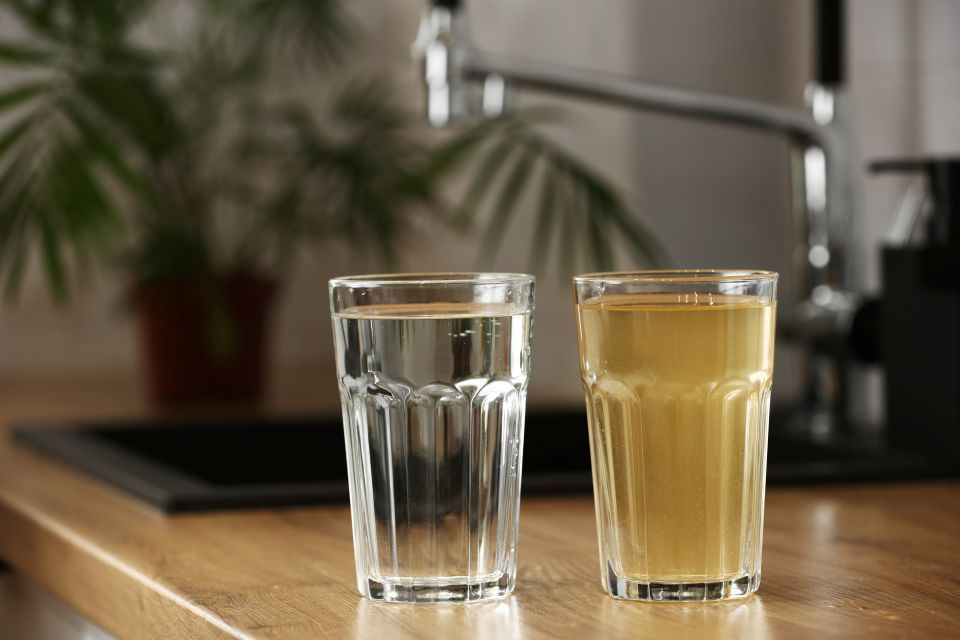
If the water stays cloudy after sitting in a glass for several minutes, it may indicate sediment or fine particles rather than air. This is more likely if the cloudiness affects every tap in the house or appears suddenly without any recent changes to water use or pressure.
Cloudy water that comes with an unusual taste or smell can also be a warning sign. A metallic, earthy or sulphur-like smell may suggest issues within the plumbing system or water supply that need further investigation.
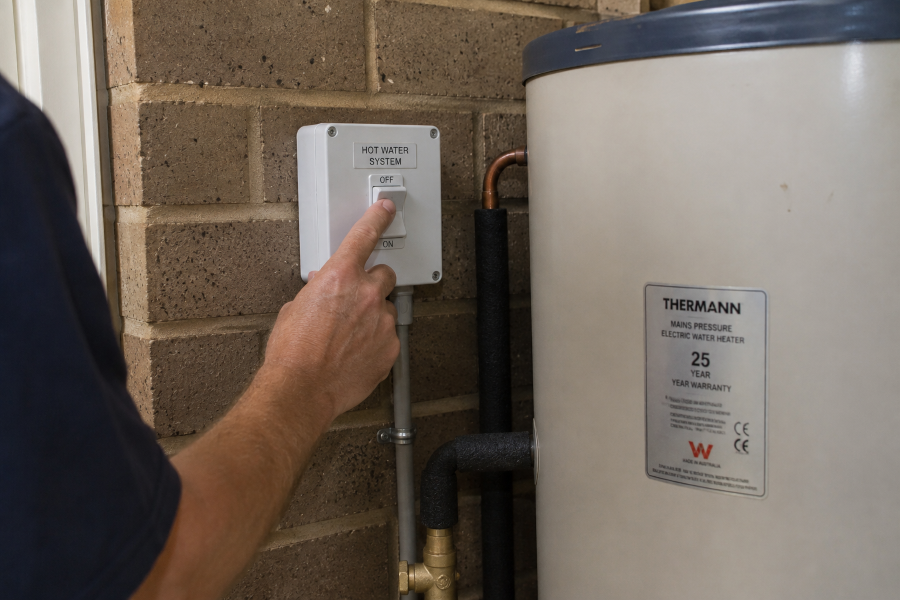
Another sign to watch for is cloudiness that only affects hot water. This can point to sediment buildup or issues within the hot water system itself. In these cases, the appearance of the water is giving you an early clue that something inside the system may need attention.
Get Professional Help
If your water stays cloudy, has an unusual smell, or you are unsure what is causing it, getting professional advice can give you peace of mind. The team at
Best Plumbers Adelaide service Greater Adelaide and beyond, and can assess your plumbing system properly to identify whether the issue is harmless or something that needs attention.
Other plumbing articles