How Much Water Does the Average Household Use Per Day in Australia?
Understanding your average household water usage isn’t just about numbers on a bill. It gives you a clear picture of how efficiently your home is running, where water might be wasted, and how you can reduce both costs and environmental impact.
For most households, daily water usage varies depending on the number of occupants, lifestyle habits, and the efficiency of plumbing fixtures and appliances. From long showers and frequent laundry loads to garden watering and unnoticed drips, small factors can quickly add up.
If your bills seem higher than expected or you’re unsure where your water is going, it may be worth speaking with a professional. The team at
Best Plumbers Adelaide can help identify inefficiencies and ensure your plumbing system is running as it should.
What Is the Average Household Water Usage Per Day?
The average household water usage per day in Australia generally falls between 600 and 900 litres per household. This depends on the number of people living in the home, the type of appliances used, and overall water habits.
On a per-person basis, most Australians use around 150 to 250 litres per day. Homes with efficient fixtures and mindful usage tend to sit at the lower end, while older properties or high-consumption households often exceed this range.
In Adelaide, seasonal changes also play a role. Warmer weather often increases outdoor water use, which can push daily totals higher.
Average Water Usage Per Person Per Day
Breaking water usage down per person gives a clearer picture of how efficiently your household is operating.
On average:
- 150–250 litres per person per day is typical
- Efficient households may use 120–150 litres per person
- Higher usage often exceeds 250 litres per person daily
Most of this water is used in everyday activities like showering, laundry, and flushing toilets. If your usage is consistently above average, it may not just be habits. Hidden leaks or inefficient fixtures can quietly increase consumption over time.
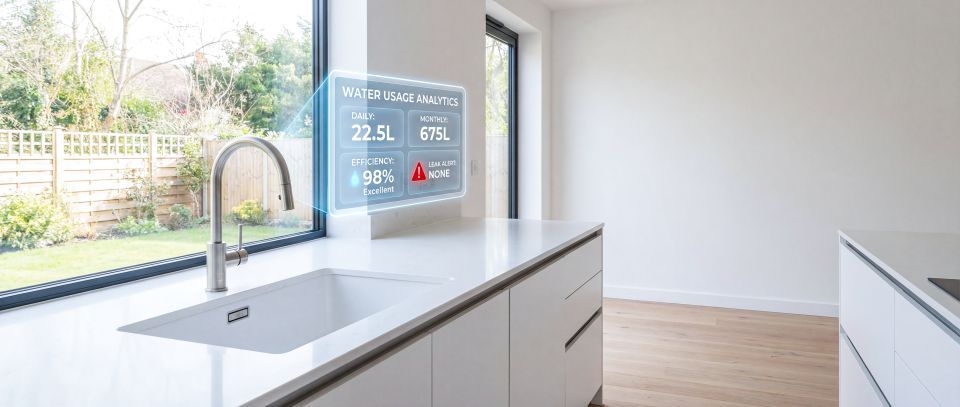
Breakdown of Household Water Usage by Activity
Most households don’t realise how much water is consumed by everyday activities until it’s broken down.
Bathroom Usage (Showers, Toilets, Baths)
The bathroom is the biggest contributor, often accounting for 50–60% of total household water use.
- Showers: ~30–40%
- Toilets: ~15–20%
- Baths: smaller share but high water per use
Long showers and older toilets can significantly increase daily water consumption.
Laundry (Washing Machines)
Laundry typically makes up 15–25% of water usage.
- Older top loaders use far more water than modern front loaders
- Frequent washing cycles quickly add up in larger households
Kitchen (Cooking, Dishwashing, Drinking)
The kitchen contributes around 10–15% of total usage.
- Dishwashing (by hand or machine)
- Food preparation and cleaning
- Drinking water
Efficient dishwashers usually use less water than hand washing when run with full loads.
Outdoor Use (Gardens, Pools, Car Washing)
Outdoor water use can vary widely, from 10% to over 30%, depending on the property.
- Garden irrigation and lawn watering
- Filling or topping up pools
- Washing cars or outdoor areas
In Adelaide, outdoor use often spikes during warmer months and can be one of the biggest drivers of high water bills.
If your usage in any of these areas seems higher than expected, it may point to inefficiencies such as leaking fixtures or outdated systems. A quick inspection can often uncover simple fixes that make a noticeable difference. For help identifying where your water may be going to waste, the team at Best Plumbers Adelaide can provide practical solutions to improve efficiency and reduce unnecessary usage.
Factors That Affect Average Household Water Usage
Several factors influence how much water your household uses each day:
- Household size
More people naturally means more water use
- Appliance efficiency
Modern fixtures and appliances use significantly less water
- Lifestyle habits
Long showers, frequent washing, and garden watering all add up
- Climate
Hotter areas like Adelaide increase outdoor water usage
- Property type
Larger homes with gardens typically use more water than apartments
How Much Water Does a Family Use Per Day?
Water usage scales with household size, but not always evenly.
Typical estimates:
- 1 person: 150–250 litres per day
- 2 people: 300–500 litres per day
- 3 people: 450–700 litres per day
- 4 people: 600–900 litres per day
If your household is significantly above these ranges, it’s worth investigating why.
How Your Water Usage Compares to the Average
The easiest way to understand your usage is by reviewing your water bill and comparing daily averages.
Signs your household may be using more water than normal include:
- Unexpectedly high water bills
- Water meter running when no taps are in use
- Damp areas or unexplained moisture
- Reduced water pressure or irregular flow
These can often point to hidden leaks or inefficiencies that need attention.
Common Causes of High Household Water Usage
High water usage is often caused by issues that go unnoticed.
Common causes include:
- Leaking taps or pipes
- Running or faulty toilets
- Inefficient showerheads
- Old appliances
- Overwatering gardens
Even a small leak can waste hundreds of litres per day, making a noticeable difference on your bill.
How to Reduce Your Household Water Usage
Reducing water usage doesn’t require major changes. Small improvements can have a big impact.
Quick Wins
- Shorten shower times
- Turn off taps when not in use
- Only run full loads in dishwashers and washing machines
Upgrade Fixtures
- Install water-efficient showerheads
- Upgrade to dual-flush toilets
- Replace old appliances with efficient models
Outdoor Tips
- Water gardens early or late in the day
- Use drip irrigation systems
- Choose drought-resistant plants
Behavioural Changes
- Be mindful of daily habits
- Monitor usage regularly
If you’re unsure where to start, a professional inspection can quickly identify the biggest opportunities for savings.
Water Efficiency Standards in Australia
Australia uses the WELS (Water Efficiency Labelling and Standards) system to rate appliances and fixtures.
- Higher star ratings mean better water efficiency
- Choosing efficient products can significantly reduce usage
- Local water restrictions in Adelaide may also apply during dry periods
Why Managing Average Household Water Usage Matters
Keeping your water usage under control benefits more than just your bill.
- Lower costs
Reduced water usage means lower ongoing expenses
- Environmental impact
Conserving water helps protect limited resources
- Long-term efficiency
Well-maintained systems prevent costly repairs
If you’re concerned about high water bills or suspect a hidden issue, it’s worth getting expert advice. The team at
Best Plumbers Adelaide can help identify problems early, fix leaks, and recommend practical solutions to keep your water usage under control.
Other plumbing articles