Signs Your Home May Have a Main Sewer Blockage
Most sewer problems don’t begin with a dramatic overflow. They usually start quietly. A slow drain here, a strange noise there, maybe a faint smell you cannot quite place. It is easy to ignore the early signs and assume it is just a minor plumbing issue.
But when the main sewer line becomes blocked, every drain in your home is affected. It can lead to wastewater backing up into bathrooms, laundries or even living areas. Knowing what to look for can help you act early and avoid serious damage.
Let’s break down the warning signs and what they actually mean.
What Is a Main Sewer Line?
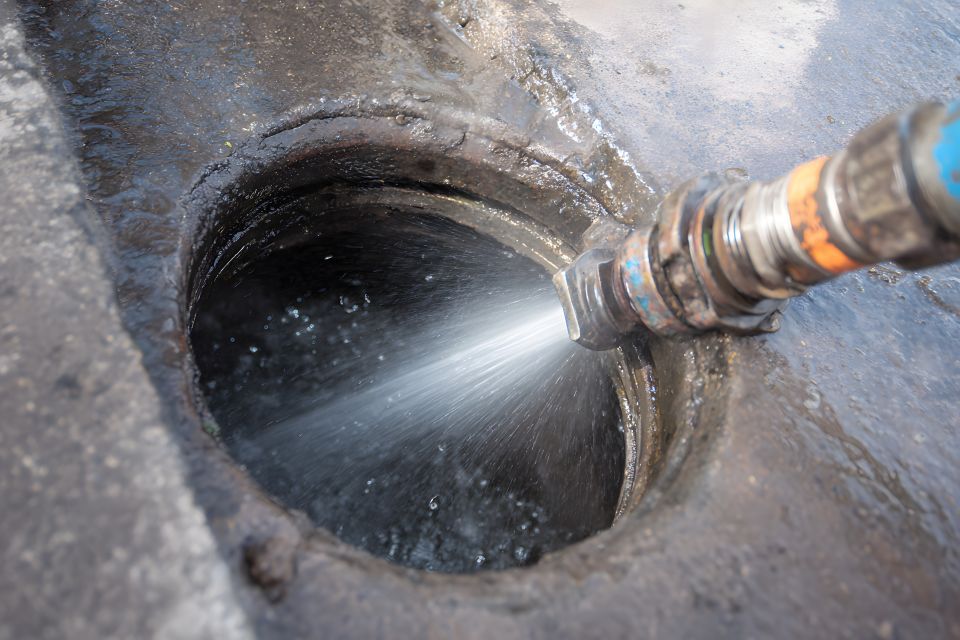
Your home has multiple drains. Sinks, showers, toilets, bathtubs and floor wastes all carry wastewater away. These smaller branch drains eventually connect to one large pipe called the main sewer line. That pipe runs underground and connects your home to the council sewer system or a septic tank.
If a single sink is blocked, the issue is usually local to that fixture. But if the main sewer line is restricted, the entire system struggles to drain. That is when problems start appearing in more than one place.
Early Signs of a Main Sewer Blockage
The earlier you recognise these signs, the easier the fix usually is.
Multiple Drains Running Slow
One slow drain might mean hair buildup or soap scum in that specific pipe. But if your shower, bathroom sink and kitchen sink all seem sluggish at the same time, that points to something further down the line.
When wastewater cannot move freely through the main sewer pipe, it drains more slowly throughout the house. You might notice water pooling longer than usual or hear it glugging as it disappears.
Gurgling or Bubbling Sounds
Air should move smoothly through your plumbing system via vent pipes. When there is a restriction in the main line, air gets trapped and pushed back through fixtures.
You may hear the toilet bubble when you run the tap. The sink might gurgle when you flush the toilet. These sounds are often one of the first clues that the main drain is partially blocked.
Water Backing Up in Unexpected Places
This is a stronger warning sign.
For example:
- Flushing the toilet causes water to rise in the shower drain
- Running the washing machine leads to overflow at the laundry floor waste
- The bathtub fills slightly when another fixture is used
This happens because wastewater cannot pass the blockage quickly enough, so it looks for the lowest point to escape. Unfortunately, that point is often inside your home.
Unpleasant Sewer Smells
A healthy plumbing system keeps odours contained. If you start noticing a persistent sewer smell near drains, it could mean wastewater is not flowing properly.
Blockages can cause pressure imbalances that disturb the water seals in traps, allowing smells to escape. Even if you do not see water backing up yet, odours are often a sign something is wrong.
Fluctuating Toilet Water Levels
Take note if the water level in your toilet bowl rises or drops without flushing. This can happen when pressure builds in the main line and shifts air and water within the system.
It might seem minor, but paired with other symptoms, it often indicates a developing sewer obstruction. Call Best Plumbing in Adelaide on (08) 8261 0165 for help with blockages and other plumbing issue.
More Serious Warning Signs
As the blockage worsens, the symptoms become harder to ignore.
Sewage Backing Up Into the Home
This is the scenario every homeowner wants to avoid.
When the main sewer line is fully blocked, wastewater has nowhere to go. It can rise up through floor wastes, toilets or showers. Not only is this messy and stressful, it also poses serious health risks due to bacteria and contamination.
If this happens, it is considered urgent. Call (08) 8261 0165 for emergency plumbing.
Wet or Soggy Areas in the Yard
If the blockage is caused by a cracked or collapsed underground pipe, you may notice patches of unusually green grass or damp soil in your yard.
Wastewater leaking into the ground acts as fertiliser, causing rapid grass growth in one area. Over time, this can lead to structural pipe failure.
Increased Pest Activity
Damaged sewer pipes can attract rodents and insects. Rats are known to travel through sewer systems and may enter homes through compromised pipes. A sudden spike in pest problems combined with drainage issues is worth investigating.
What Causes a Main Sewer Blockage?
There are several common causes, and some are more prevalent in older homes.
Tree Root Intrusion
Tree roots naturally seek moisture. If there is even a small crack in an underground sewer pipe, roots can enter and grow inside it. Over time, they create dense blockages that restrict flow and eventually damage the pipe itself. Read more about clearing main sewer from tree roots using hydrojetting.
Grease and Waste Buildup
Cooking grease poured down the sink does not simply wash away. It cools and solidifies inside pipes, trapping other debris. Over months or years, this buildup narrows the pipe significantly.
Flushed Wipes and Foreign Objects
Even products labelled as flushable can contribute to blockages. Wipes, paper towels, sanitary products and other non biodegradable materials do not break down like toilet paper.
Collapsed or Ageing Pipes
Older properties may have clay or earthenware pipes that deteriorate over time. Ground movement, heavy vehicles or natural wear can cause sections to collapse, restricting flow completely.
Heavy Rainfall
During intense storms, sewer systems can become overloaded. If there is already a partial blockage in your line, heavy rainfall may trigger visible symptoms very quickly.
How Plumbers Diagnose the Problem
Main sewer blockages are not guesswork. Modern plumbing uses specialised equipment to identify the exact issue.
A CCTV drain camera inspection allows plumbers to view the inside of your pipes in real time. This shows whether the blockage is caused by roots, debris, pipe damage or collapse.
Once located, the appropriate clearing method can be used, such as high pressure water jetting or mechanical cutting tools for roots.
This avoids unnecessary digging and ensures the underlying cause is properly addressed.
Can You Fix a Main Sewer Blockage Yourself?
Minor sink clogs can sometimes be handled with a plunger. A main sewer blockage is different.
Plungers will not reach the obstruction. Chemical drain cleaners often fail to penetrate large blockages and can damage pipes in the process. Attempting to dismantle plumbing without proper licensing can also create legal and insurance complications.
Because the main sewer line runs underground and connects to the broader system, professional equipment and expertise are required to clear it safely and effectively.
When to Call a Plumber
You should arrange an inspection if you notice:
- Multiple drains running slow at the same time
- Gurgling sounds from different fixtures
- Water backing up into showers or floor wastes
- Strong sewer smells
- Fluctuating toilet water levels
- Any sign of wastewater overflow
The earlier the issue is addressed, the simpler the solution usually is. Waiting increases the risk of pipe damage, contamination and costly repairs. Call us on (08) 8261 0165 to schedule an inspection in Adelaide.
Other plumbing articles